Two Republican Politicians from Georgia and Their Old Photographs in Women’s Clothing
School photos and their place in the campaign for the U.S. Senate.
Contents
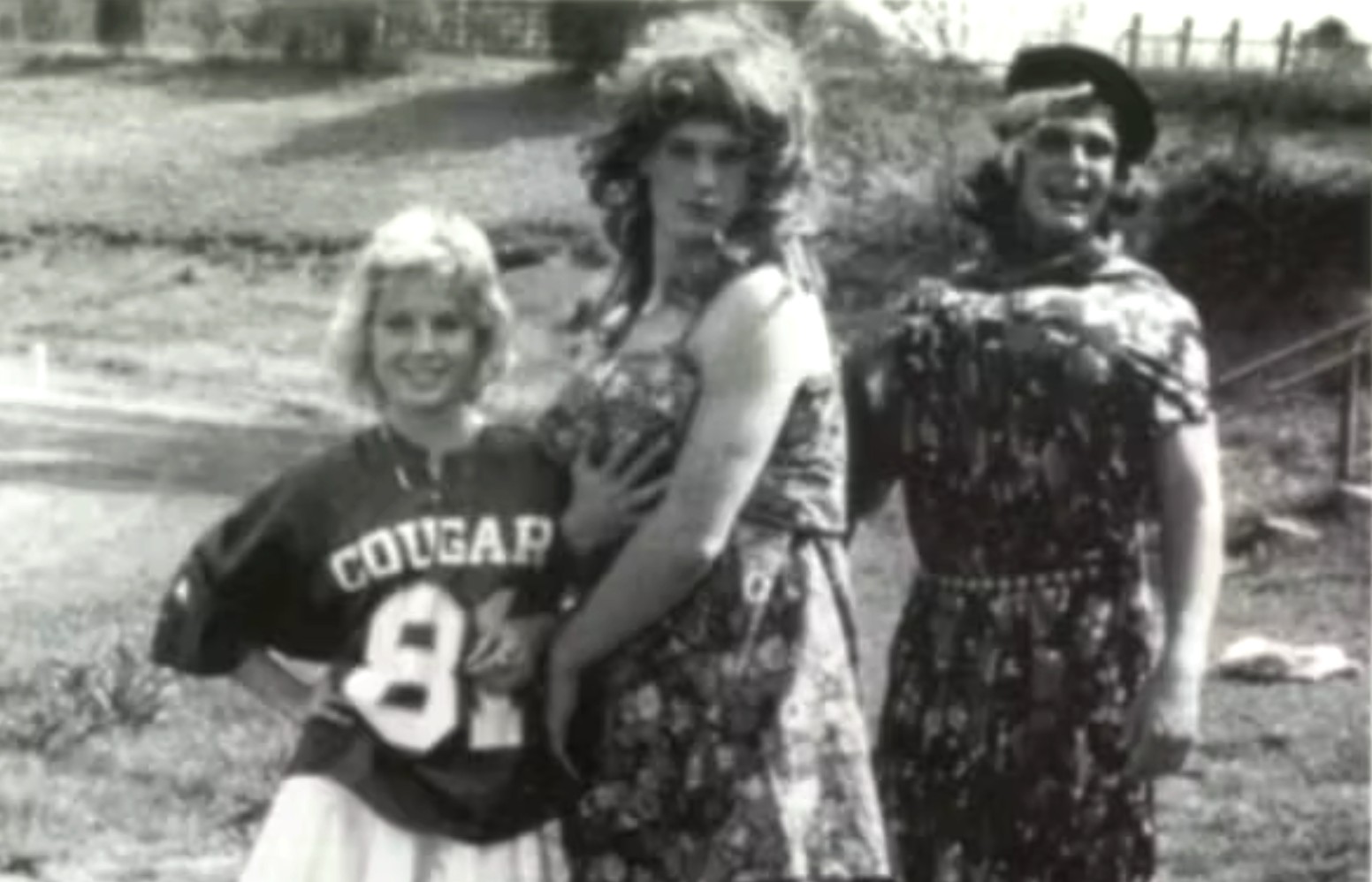
In the spring of 2026, U.S. outlets published school photographs of two Georgia Republicans – Representatives Buddy Carter and Mike Collins.
The pictures, taken in the 1970s and 1980s, show both men in women’s clothing. The stories appeared in the middle of the Republican contest to choose a candidate for the U.S. Senate race.
Who Carter and Collins Are
Buddy Carter (Earl LeRoy “Buddy” Carter) has represented Georgia’s 1st congressional district in the House of Representatives since 2015. Before Washington, he was mayor of Pooler and served in the state legislature.
Mike Collins has represented Georgia’s 10th district in the House since 2023; before Congress he ran a family trucking business.
By spring 2026 both were among the contenders for the Republican nomination in the race for a Senate seat.
In open sources, neither Carter nor Collins has publicly stated that he is gay; a school photo cannot support conclusions about sexual orientation.
Which Photographs Were Published
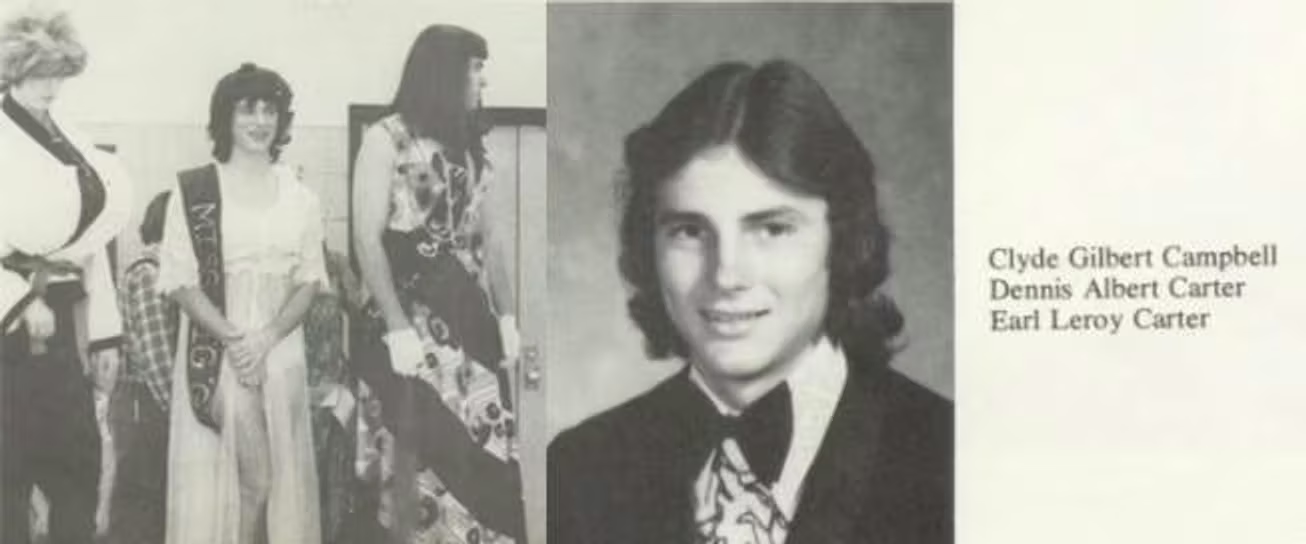
Journalists at The Advocate found the images in high school yearbooks and matched surnames, school names, and graduation years.
A page from the 1975 yearbook of Robert W. Groves High School was published, showing Carter in women’s clothing.
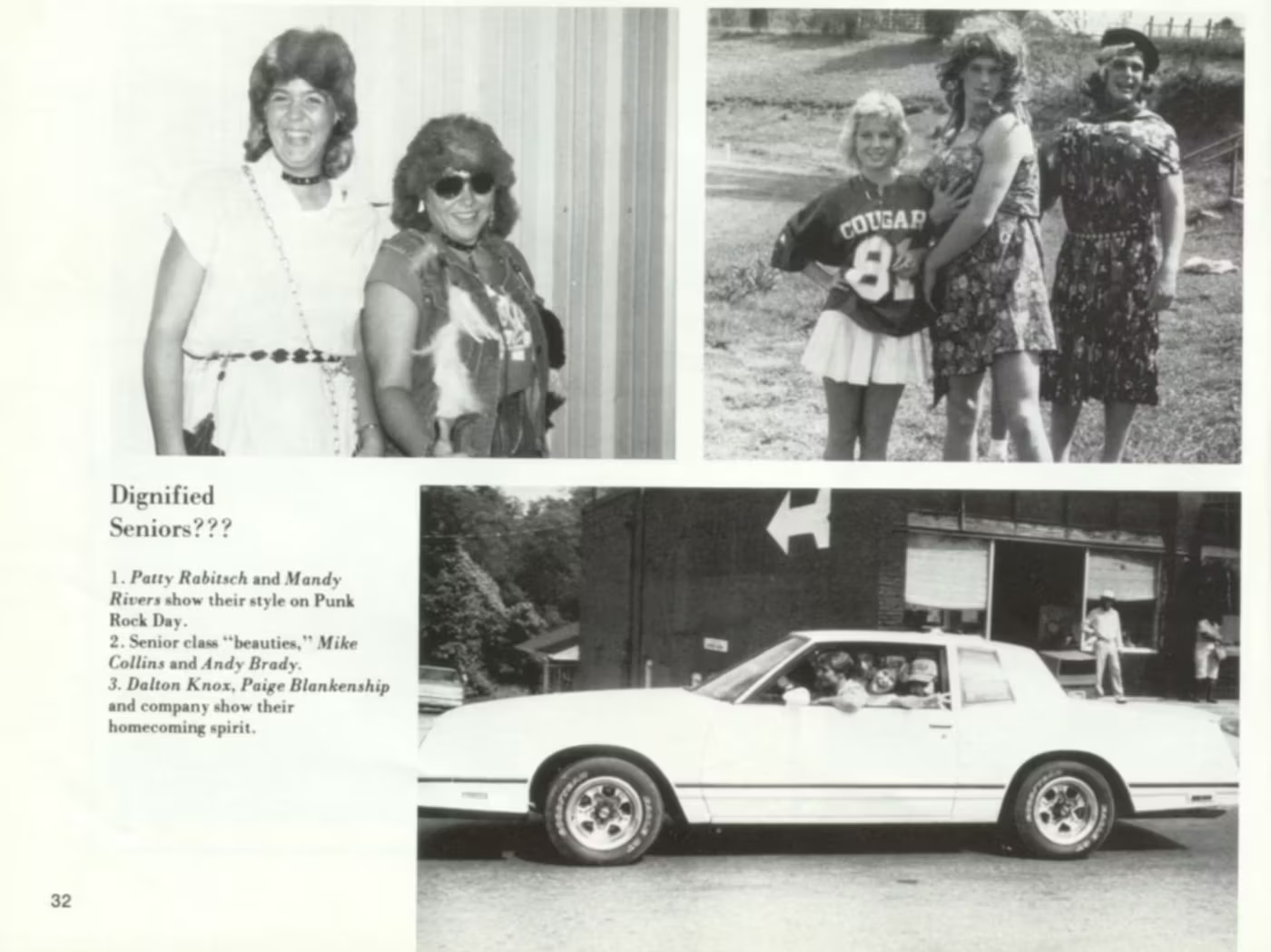
For Collins, the material comes from the 1985 yearbook of Piedmont Academy in Monticello, Georgia: in one photo he wears a floral dress and a long wig next to two other students; in another he again appears in a feminine outfit.
The American Tradition of Comic School Cross-Dressing
Such pictures belong to a tradition widespread in the American South in the 20th century. Comic “womanless weddings” were held – ceremonies in which men played every role, including women’s parts, wearing dresses. Audiences treated them as jokes, and the money raised often went to charity.
Similar dressing-up took place at school evenings, fairs, and graduation events. The appearance of teenage boys in lace dresses on yearbook pages was treated as part of a prank, not as a statement about sexual orientation or gender identity. Those episodes belonged to school festivities and differed in meaning from today’s LGBT culture in the United States.
The 2026 Election Context
The coverage coincided with the Georgia Republican primaries, where Carter and Collins were competing with other candidates. The winner of the party vote would face incumbent Democratic Senator Jon Ossoff in the general election. The Republican primary was set for May 19, 2026.
The Senate is the upper chamber of the U.S. Congress; it has 100 seats, two senators per state, with six-year terms. Unlike House members, who are elected by district, senators are chosen statewide, which makes a Senate campaign larger and more expensive.
Why the Story Drew Attention
Reaction focused on pairing archival photos with Carter’s and Collins’s current positions on transgender people, women’s sports, and gender-affirming medical care.
In 2025 Carter promoted the “Truth in Gender Act,” aimed at entrenching federal recognition of two biological sexes, and voted for the “Protect Children’s Innocence Act,” which would have made providing gender-affirming care to minors a criminal offense.
Collins backed the same bill, criticized gender-affirming medicine as “radical ideology,” opposed letting transgender women compete in women’s sports, and linked a train derailment to diversity, equity, and inclusion programs.
Campaign Offices and Advocates Respond
Collins’s office reacted sharply: communications director Emma Gibson described the pictures as festive dressing-up and “lighthearted humor.” Carter’s representatives neither confirmed nor denied that he appears in the images.
Advocacy groups accused the politicians of double standards:
“Reps. Collins and Carter are running to represent every Georgian, but they’ve made it clear that they don’t believe LGBT Georgians are worthy of equal rights.”
— David Stacy, Human Rights Campaign, quoted in The Advocate
What This Means for the History of Sexuality
In LGBT history, the episode shows that the same gesture is read differently in different eras. In Southern school culture, straight boys in women’s clothes could pass as an ordinary joke, part of a party or skit. In 2026 the same images are read through the language of politics, culture wars, and fights over trans rights.
So the point is not that old photos “expose” Carter and Collins. Such pictures cannot establish sexuality or gender identity. Their significance lies elsewhere: they show how selectively society applies gender norms. When cross-dressing fit familiar humor and did not threaten the order, it was treated as fun. When real LGBT people and their rights are at stake, many of the same political forces turn to the language of bans.
For LGBT history this matters because it exposes a double standard. Society has long tolerated gender play as a joke, carnival, or school ritual. People for whom stepping outside gender norms is tied to personal life, self-expression, and the right to be oneself have rarely been granted the same latitude.
The old school photos matter as traces of that contradictory culture. They remind us that the boundaries of “normal” are set by society, not nature, and therefore keep shifting. LGBT history is also the history of everyday life – of who was allowed to break gender rules for a laugh and who faced repression for similar behavior.
References
- Messman-Rucker A. As photos reveal, these anti-LGBTQ+ Georgia Republicans did, indeed, get out of drag. The Advocate. 2026.
- U.S. House of Representatives. Biography: Earl L. “Buddy” Carter. 2026.
- U.S. House of Representatives. Biography: Mike Collins. 2026.
🇺🇸 LGBT History of the USA
 Subscribe to our Telegram channel (in Russian): Urania. With Telegram Premium, you can translate posts in-app. Without it, many posts link to our website, where you can switch languages — most new articles are published in multiple languages from the start.