Brazilian senator Flávio Bolsonaro sought support from LGBT voters
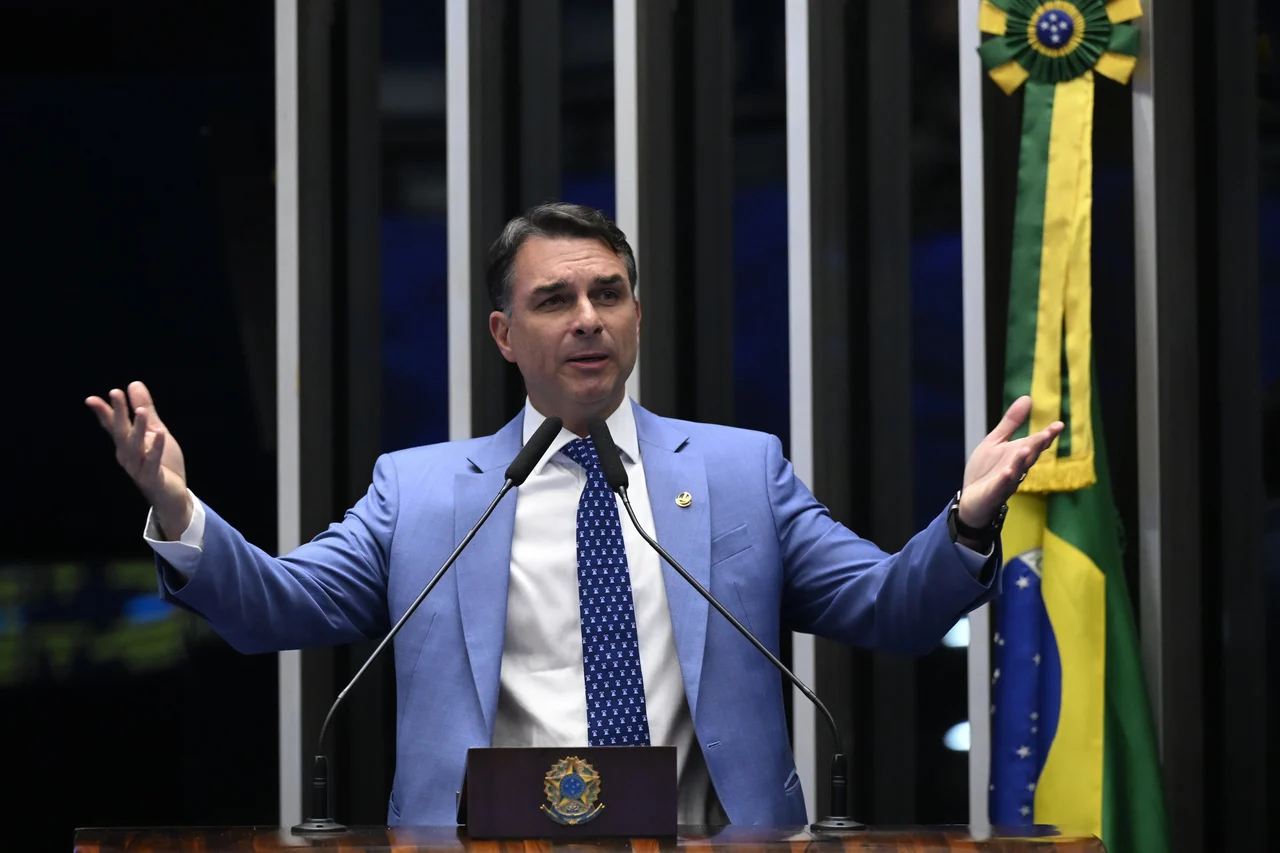
Brazilian senator Flávio Bolsonaro of the Liberal Party (PL) appealed for LGBT voters’ support at a campaign rally in Fortaleza, capital of the northeastern state of Ceará, on 21 October 2026. According to Revista Oeste, he spoke at the Bloco do 22 event near Castelão stadium, four days before the presidential runoff.
Bolsonaro said gay people were part of Brazil and would be welcome under his government if he won. As BNews reported, the senator also said nobody had the right to interfere with how someone wanted to be happy, promising LGBT people opportunities to prosper alongside other citizens.
Radio Itatiaia covered the economic part of the speech: the candidate promised to restore purchasing power and create jobs. Oeste also reported that he rejected claims he intended to abolish Bolsa Família, a cash-transfer programme for low-income families.
A CEUB news agency report published on 25 October presented a different view of a possible Bolsonaro victory. Brazilian physiotherapist Gustavo Liminari, a 25-year-old gay man, feared a gradual erosion of LGBT rights. His partner, creative director Henrique Lopes, 26, voiced concern that a Bolsonaro win could be interpreted as permission for violence. These were the concerns expressed by the agency’s interviewees.
The election had already concluded by the time this article was published. According to official Superior Electoral Court results, incumbent President Luiz Inácio Lula da Silva of the Workers’ Party (PT) received 51.79% of valid votes on 25 October, against Bolsonaro’s 48.21%. Lula was re-elected.
Uránia previously reported on divisions among LGBT candidates from Brazil’s centrist and right-wing parties: before the runoff, some backed Bolsonaro, others Lula, while some remained undecided. Their positions did not amount to a single electoral choice determined by sexual orientation or gender identity.