US archive QZAP preserves and digitizes LGBT zines
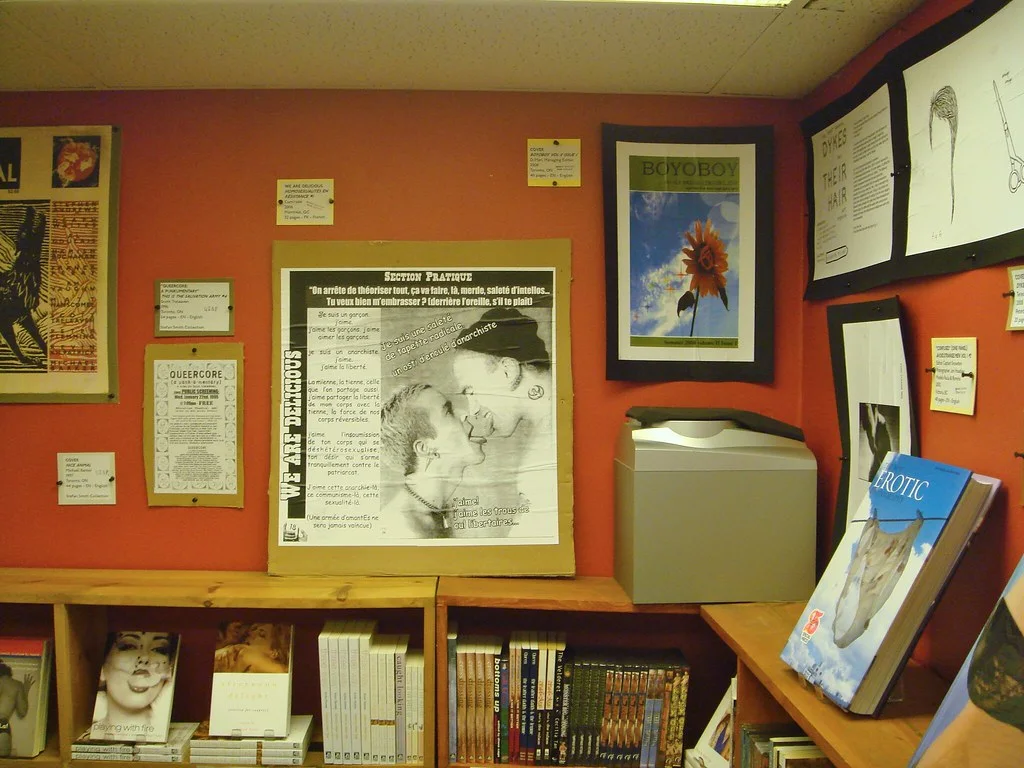
In Milwaukee, Wisconsin, the Queer Zine Archive Project (QZAP) collects small-circulation LGBT publications and makes digital copies freely accessible. LGBTQ Nation reported on its work on October 24, describing an archive that preserves personal stories, art and political debates from past decades.
Milo Miller and Christopher Wilde founded the project in November 2003. According to the University of North Texas Libraries, the idea grew out of their own collections. A zine is a small magazine or booklet produced independently by its authors, often with photocopied, hand-bound pages. These publications circulated among friends, at concerts and through independent bookshops.
The QZAP digital catalogue lets readers search by title, subject, year and place of publication, view scans and download available copies. The zines cover music, relationships, sexual health, HIV/AIDS, art and politics. They retain their authors’ views and the language of their time, including explicit writing and images.
One example is Going Homo’s second issue, compiled by Stephen Dedalus in 1993. Its 24 pages contain readers’ letters, reviews of music and other zines, personal accounts, drawings and political discussions. Among its subjects is gay service in the US military: one contributor opposed the very goal of seeking equality within the armed forces. The issue shows how different political positions were debated and challenged within LGBT circles.
The archive also keeps paper originals. In December 2025, the team reported holding more than 4,000 zines and running short of storage space. That figure covers the whole collection, rather than the number of digitized issues. QZAP’s stated purpose is also to help new creators keep producing their own zines by preserving earlier publications.
Uránia previously reported on the digitization of Dragazine, published in Los Angeles from 1991 to 1997, which documented drag before its wider presence on television.