Ghana’s parliamentary speaker Alban Bagbin acknowledges errors in anti-LGBT bill
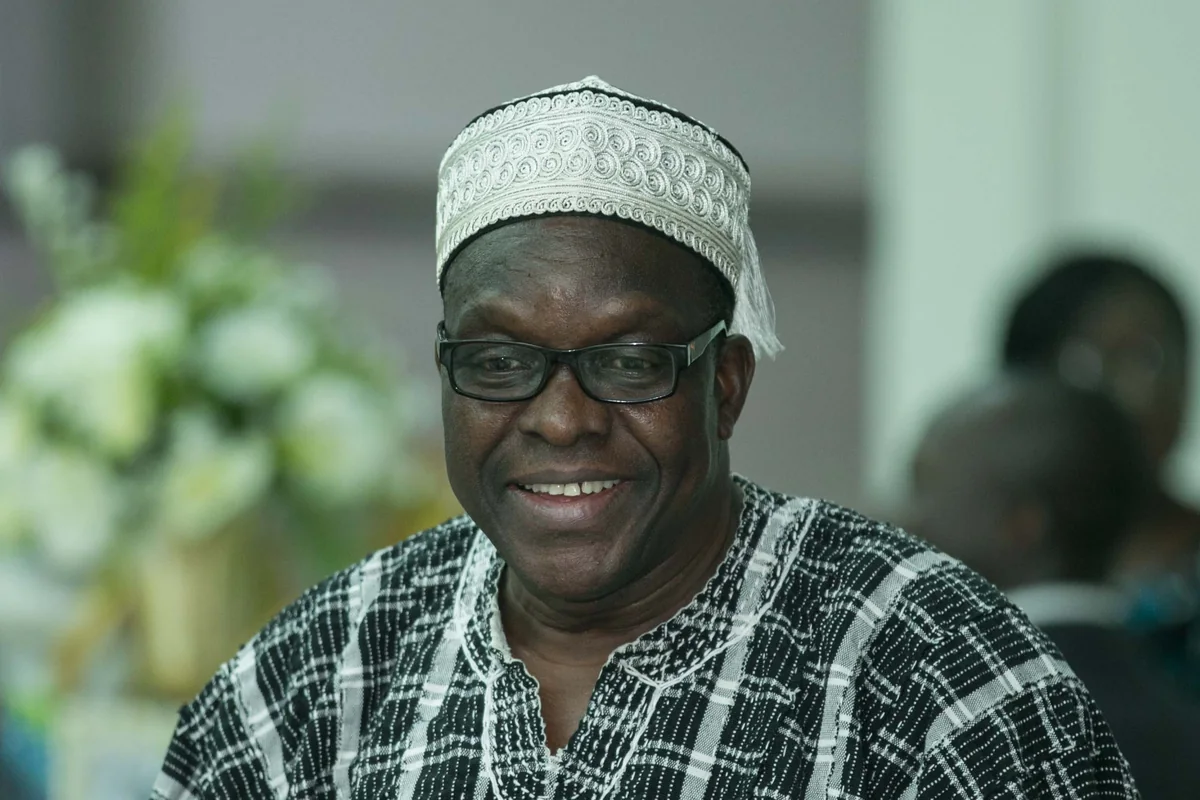
Ghana’s parliamentary speaker Alban Bagbin has promised a further review of the anti-LGBT bill, acknowledging errors in the approved text. MyJoyOnline reported his remarks on October 23 while covering the Institute of Public Relations Ghana conference in Koforidua. The conference ran from October 22 to 24, 2026.
Bagbin linked the errors to last-minute amendments during the bill’s rushed passage in his absence. He said Parliament would return to a second consideration at its next meeting and reaffirmed his intention to secure the legislation’s passage. In his view, the decision should rest on national consensus and support across parties.
As Ghana News Agency reported, Parliament approved the bill on May 29, 2026, and Bagbin called for it to be revisited on June 2 over procedural breaches. He said amendments should have been properly incorporated into the text and made available to MPs, with at least one sitting day elapsing before the final reading.
The bill published by Parliament, entitled the Human Sexual Rights and Family Values Bill, provides for up to three years in prison, including for openly identifying as LGBT. Certain forms of public support and “propaganda” for activities prohibited by the bill would carry sentences of five to ten years. The text also introduces a duty to report violations.
According to Graphic Online, MPs added exemptions in May for specified professional activities of lawyers, healthcare workers and journalists. Some lawmakers considered these a weakening of the prohibitions; the parliamentary majority explained the amendments as necessary to uphold constitutional guarantees.
According to 76Crimes on October 26, Ghanaian President John Dramani Mahama has not signed the bill and it has not entered into force. The outlet, drawing on reports from human rights organisation Rightify Ghana, also describes fears within the LGBT community that reconsideration could bring harsher penalties.
In July, the International Bar Association’s Human Rights Institute called for the bill’s rejection, warning of risks to privacy, freedom of expression and association, and access to assistance. Uránia previously covered that appeal and the institute’s concerns that professional exemptions do not remove the bill’s wider consequences.