Rights Group Criticizes UN Rights Council Seats for States Criminalizing Same-Sex Relations
African Human Rights Coalition (AHRC) has criticized the election of Burundi, Ghana, Nigeria and Zambia to the UN Human Rights Council in the vote held in New York on October 13, 2026. In its statement, the rights organization noted that consensual same-sex sexual activity remains a criminal offense in these countries.
A total of 15 states were elected for terms running from January 1, 2027, to December 31, 2029, according to UN records. In all five regional groups, candidate numbers matched the vacancies: the official list contained 15 candidates for 15 seats. The General Assembly voted by secret ballot.
AHRC executive director Melanie Nathan said she considered it unacceptable to entrust international human rights protection to governments that criminalize same-sex activity. In her view, Council membership should require accountability for domestic policies rather than confer legitimacy on them. The coalition also links criminal bans to risks of blackmail, violence and fear of seeking protection.
According to Human Dignity Trust’s legal database, such criminal provisions remain in all four countries. The 15 elected states include one other country with such laws: Kuwait. In Ghana and Kuwait, the relevant ban covers sexual activity between men.
In its own October 14 statement on the election result, Nigeria’s government described the outcome as a sign of confidence in the country’s commitment to protecting human rights. It thanked UN member states and reaffirmed its intention to pursue constructive dialogue, international cooperation and the protection of fundamental freedoms.
The Council comprises 47 states. UN rules require voters to consider candidates’ contributions to human rights and their voluntary pledges. Elected members are expected to uphold the highest standards in this field and cooperate with the Council.
Urania previously reported on the International Bar Association’s Human Rights Institute urging Ghana not to implement a bill expanding criminal measures against LGBT people.
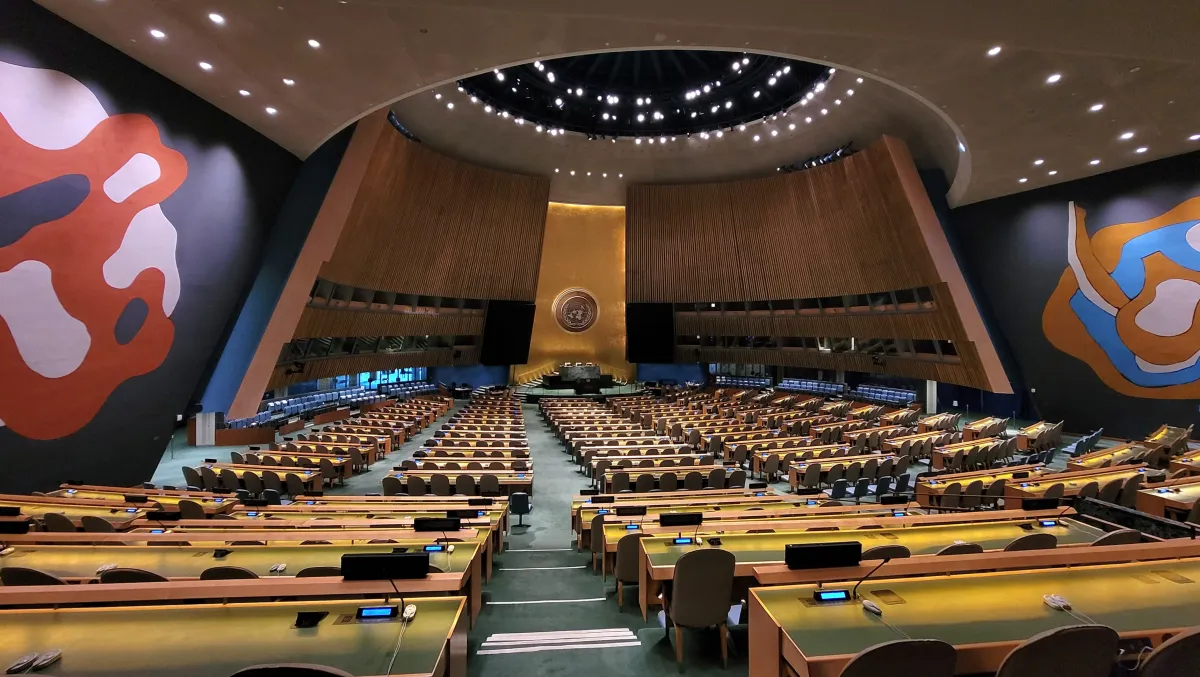
Photo: Mojnsen / Wikimedia Commons, CC BY-SA 4.0. Archive photograph from February 20, 2024; resized and converted to WebP without cropping.