Around 70% of Moroccan Asylum Seekers in Spanish Enclave of Ceuta Claim Homosexuality
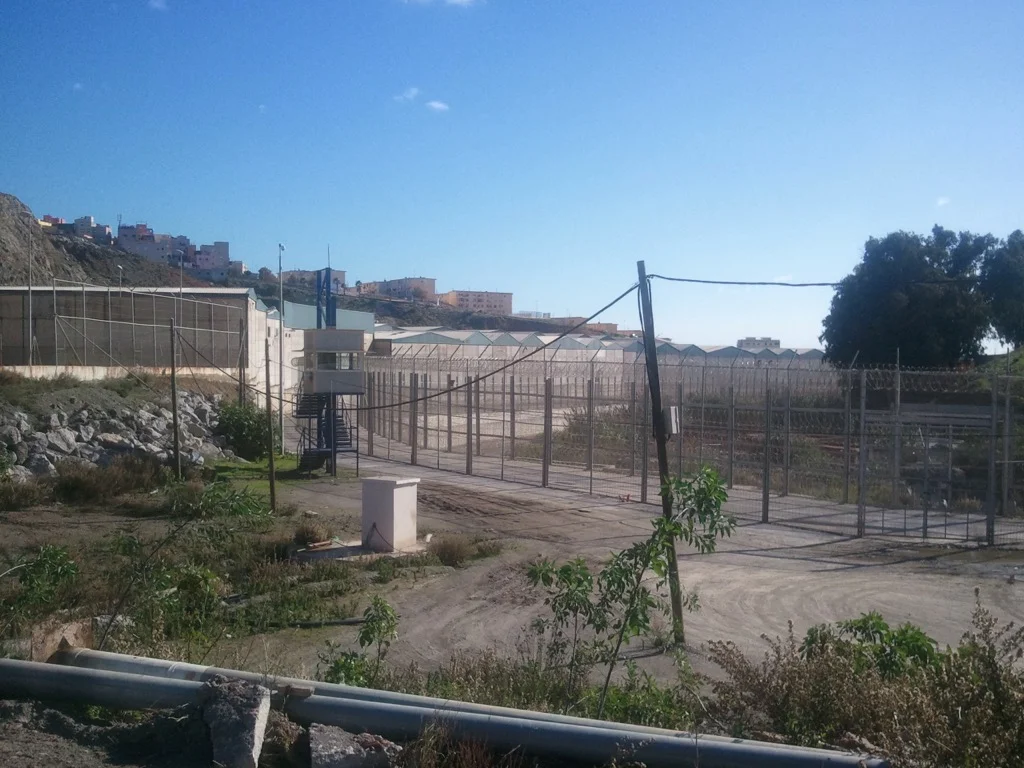
In mid-October 2026, in the Spanish autonomous enclave of Ceuta on the North African coast, Spain’s National Police recorded a sharp shift in the profile of international protection applications: around 70% of asylum seekers arriving from neighboring Morocco cited membership in the LGBTQ+ community and fear of criminal prosecution for homosexuality as their primary ground for filing claims.
According to an investigation by Spanish daily ABC, the change in pattern emerged several weeks after mass border crossings in late July, when thousands entered the city. While during the first month the vast majority of applicants cited economic hardship and the search for employment, immigration authorities subsequently registered a steep increase in claims based on sexual orientation. Police sources and union officials suggest that applicants are receiving legal advice and adapting their accounts, as consensual same-sex acts are criminalized under Article 489 of Morocco’s Penal Code, carrying prison sentences of six months to three years, which formally enables claimants to seek refugee status under EU law.
However, Spanish authorities emphasize that declaring a sexual orientation does not guarantee asylum. Spanish Interior Minister Fernando Grande-Marlaska stated at a press conference in Ceuta that case assessments by the Asylum and Refuge Office (OAR) require objective, credible, and verifiable evidence of an individualized fear of persecution, rather than a bare declaration of minority status. Police officers conduct detailed, extensive multi-page interviews to evaluate personal accounts. According to the Unified Police Union (SUP), out of nearly 1,200 formalized applications, authorities had resolved around 700 cases by mid-October, with the rejection rate for Moroccan nationals reaching 90% to 99%. Only five individuals have been confirmed to have received international protection specifically on grounds of persecution based on sexual orientation.
An asylum denial triggers administrative expulsion proceedings, but does not result in immediate deportation, as applicants retain the right of appeal, including before Spain’s National Court (Audiencia Nacional), though only a tiny fraction (around 0.1%) lodge judicial appeals. While some individuals return voluntarily to Morocco following a rejection, police note that many leave reception centers and go into hiding within the city to evade deportation orders.
The developments in Ceuta have prompted intense domestic political debate in Spain. In September, Spanish Socialist Prime Minister Pedro Sánchez, addressing the border situation, urged against describing migrants as “invaders,” stating that most are “seeking a better life and opportunities” and advocating increased investment in reception infrastructure and border cooperation with Morocco instead of armed deterrence, which was advocated by right-wing opposition parties, the Popular Party and Vox. In contrast, police unions expressed concern over potential abuse of asylum procedures, calling for additional specialist personnel and faster deportation mechanisms to ensure the asylum system remains reserved for those facing genuine persecution.
Previously, Uránia reported on a Swiss Federal Administrative Court ruling that similarly examined the legal evidentiary threshold for establishing persecution in sexual orientation asylum claims.