Canadian LGBT Organizations Request $450 Million to Extend Federal Action Plan
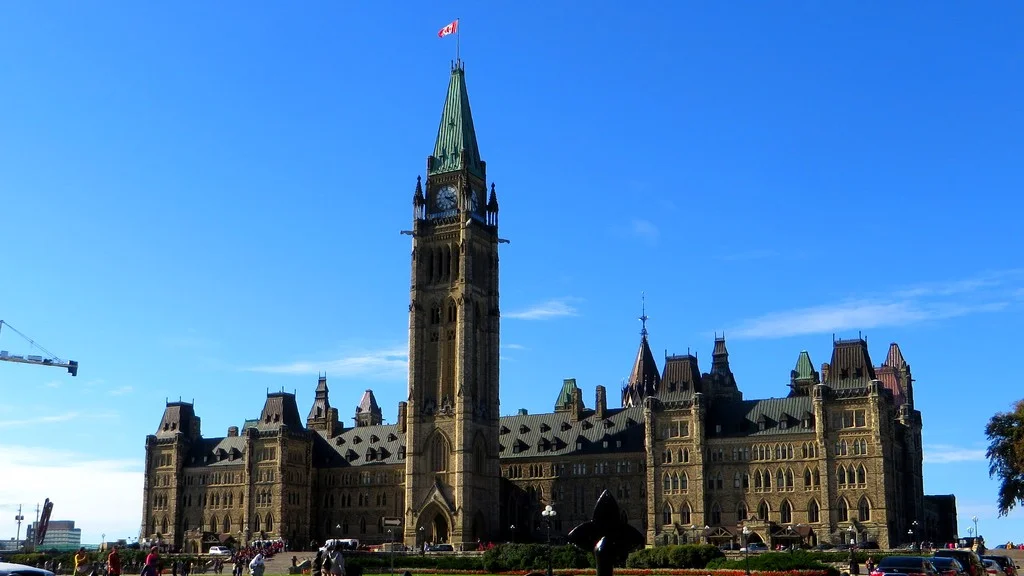
In mid-October 2026, a coalition of more than 40 Canadian 2SLGBTQIA+ organizations held a coordinated mobilization day and press conference on Parliament Hill in Ottawa. Community advocates urged the federal government to allocate 450 million Canadian dollars (approximately 330 million US dollars) over five years in the upcoming fall economic statement to extend and expand the Federal 2SLGBTQI+ Action Plan.
As Canadian outlet NOW Toronto reported, participating delegates met with members of Parliament and cabinet ministers ahead of the fall economic statement. The coalition, which includes organizations such as Queer Momentum, Dignity Network Canada, Rainbow Railroad, and Egale Canada, called for a significant increase in budgetary funding. According to coalition representatives, the requested funds are urgently needed to sustain crisis services, support LGBTQ+ refugees, deliver employment programs, fund mental health initiatives, and counter hate crimes.
Key speakers at the press conference included Queer Momentum executive director Fae Johnstone and TransAction Alberta coordinator Rowan Venedam. Venedam focused on the situation facing transgender individuals in Alberta, where Premier Danielle Smith’s provincial government introduced restrictions on youth gender-affirming medical care and required parental notification when students change their names or pronouns at school. The activist noted that these provincial policies have caused distress and prompted some transgender residents to relocate to other Canadian jurisdictions. The coalition’s funding appeal was also endorsed by Alberta Independent Senator Kristopher Wells.
The large-scale financial request drew criticism from conservative commentators and critics of the current federal cabinet. Reporting by British daily Daily Mail and remarks by Canadian opposition figures argued that committing hundreds of millions of taxpayer dollars to advocacy and lobby groups is inappropriate amid an expanding federal budget deficit and broader cost-of-living strains. Critics also questioned the measurable outcomes of previously funded programs and voiced concern over what they described as polarizing public messaging surrounding gender identity.
Federal expenditures on community initiatives have previously ignited sharp parliamentary debate in Canada. Earlier this spring, New Democratic Party Member of Parliament Leah Gazan criticized spending reductions for Indigenous community programs as “heartless,” invoking the 16-letter acronym MMIWG2SLGBTQQIA+ (“Missing and Murdered Indigenous Women, Girls, and Two-Spirit, Lesbian, Gay, Bisexual, Transgender, Queer, Questioning, Intersex, and Asexual People”). Her remarks prompted widespread domestic and international commentary regarding evolving official terminology and federal grant allocations.
The Federal 2SLGBTQI+ Action Plan was initially launched by Prime Minister Justin Trudeau’s Liberal government in August 2022 with an initial five-year commitment of 100 million Canadian dollars. With the existing plan set to expire in March 2027, advocacy organizations argue that long-term funding must be secured well ahead of the sunset date.
Tensions over gender policy and public spending have coincided with provincial election campaigns across the country. Debates over inclusive education policies and parental rights previously centered on the SOGI 123 educational program during the British Columbia election, while in August 2026, federal officials attended the dedication of the Thunderhead National LGBTQ2+ Monument in Ottawa.