
In Church of Sweden, 126 Lutheran Priests Oppose Obligation to Officiate Same-Sex Marriages
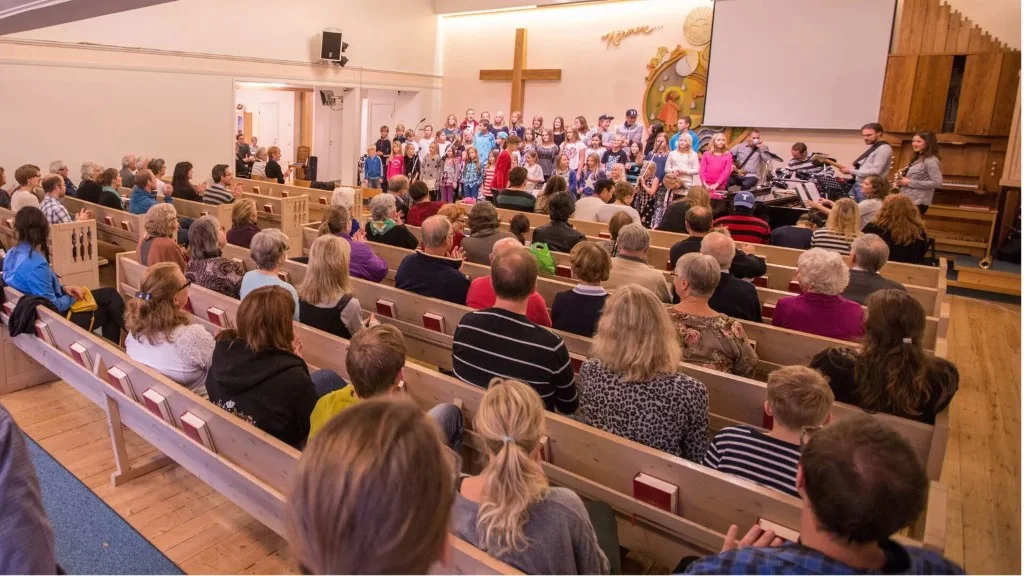
In October 2026, a significant theological and civic controversy erupted in Sweden over conscience rights in religious institutions: 126 ordained pastors of the Evangelical Lutheran Church of Sweden (Svenska kyrkan) published an open letter urging the national Church Assembly (Kyrkomötet) to preserve clergy’s right to decline officiating same-sex marriages. In response, a counter-appeal signed by more than a hundred clergy members demanded the full removal of the conscience clause, advocating for a mandatory inclusive standard across all parishes.
According to the Italian publication Avvenire, the standoff centers on Motion 2026:76, submitted to the Church Assembly by five political-theological factions seeking to dismantle the historical compromise established in 2009. When the Church of Sweden introduced religious wedding rites for same-sex couples seventeen years ago, it instituted a dual rule: the parish is legally obliged to provide a ceremony, but individual priests are not compelled to perform it if it conflicts with their theological interpretation of scripture. Although the synod committee formally proposed rejecting the motion at this stage, it directed the Central Church Board (Kyrkostyrelsen) to formulate policy proposals along these lines by 2028. The 251-member assembly will vote on the matter during its plenary session on November 16–18, 2026.
The open letter by the 126 priests was initiated by 38-year-old parish pastor Sunniva Rindi Rettinger of Döderhult parish in the Diocese of Linköping. The signatories emphasized that adhering to the traditional biblical definition of marriage as a union between a man and a woman does not imply disloyalty to the church or hostility toward parish members. Several signatories regularly officiate same-sex weddings themselves, but endorsed the letter in solidarity with conservative peers to protect theological pluralism and shield clergy from the prospect of defrocking («avkragning»). They also argued that mandatory officiating would harm same-sex couples, who seek heartfelt pastoral blessings rather than ceremonies conducted under administrative duress. Conversely, 117 pastors asserted in a counter-letter that unconditional inclusion of all people, regardless of sexual orientation, represents the core timeless mission of the Christian gospel.
The debate unfolds amid heightened scrutiny surrounding requirements for future pastoral candidates. In the spring of 2026, the Church of Sweden’s College of Bishops released a strategic document titled Vägar framåt («Paths Forward»), recommending that all candidates seeking ordination express readiness to marry both opposite-sex and same-sex couples. This trajectory has drawn resistance from historic pietist and evangelical renewal movements within the church, including the Swedish Evangelical Mission (Evangeliska Fosterlands-Stiftelsen, EFS, founded in 1856) and the charismatic Oas movement. These communities maintain substantial vitality among young believers and seminary students, notably at Johannelund Theological Seminary in Uppsala, where pastoral enrollment has continued to rise in recent years.
The Church of Sweden is the largest Lutheran body in Europe, comprising approximately 5.4 million members (roughly half the national population) across 13 dioceses, led by Primate and Archbishop of Uppsala Martin Modéus. Disestablished from the state in 2000, it stands as one of the world’s most socially progressive denominations: women have been ordained to the priesthood since 1960, and its first female bishop was consecrated in 1997.
Previously, Urania examined Sweden’s historical milestones in civil equality in an analysis of the 1979 declassification of homosexuality as an illness and the enduring misconceptions surrounding the decision. The journal also continues to track theological dialogues on sexual ethics and pastoral accompaniment, including efforts by The Center for Faith to bridge conservative theology and LGBT pastoral care in the United States and debates surrounding European church protocols for blessing same-sex unions.


