Italian Right-Wing MP Rossano Sasso Demands Daytime Ban on Gay Couples on TV, Host Pierluigi Diaco Rejects Remarks as 'Primitive'
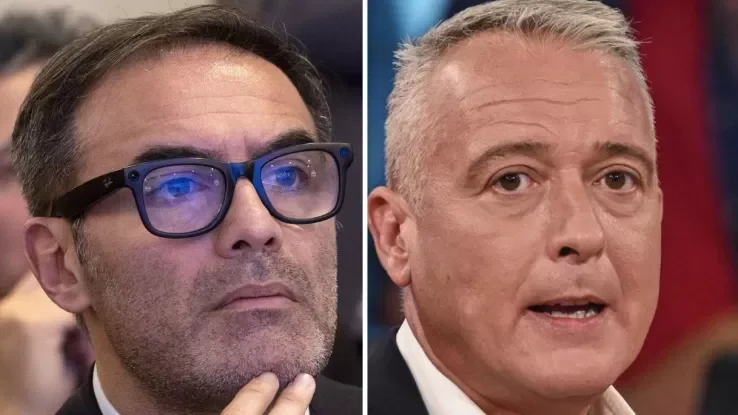
On Thursday, October 8, 2026, a sharp political controversy erupted in Italy over the presence of LGBTQ+ topics on public television. Rossano Sasso, a member of the Italian Chamber of Deputies representing the right-wing party Futuro Nazionale (“National Future”), demanded a total daytime ban on discussing same-sex couples and partnerships on television between 6:00 a.m. and 11:00 p.m. during an appearance on the popular radio program La Zanzara on Radio 24. His remarks targeted Pierluigi Diaco, an openly gay journalist and host of the daytime program BellaMa’ on public broadcaster Rai 2, who had previously shared on air the story of his own civil union with a fellow journalist.
According to the Italian news outlet Virgilio Notizie, Sasso strongly condemned the broadcast: “One cannot under any circumstances speak about a same-sex couple the way Diaco did on TV between 6:00 a.m. and 11:00 p.m.” The lawmaker justified his stance by citing child welfare, asserting that children “need certainties and clear reference points, and cannot be presented with models that question the foundations of our society.” Sasso asserted that state broadcaster Rai must not air content that causes “sexual confusion and loss of identity,” claimed that saying two men can raise children is “not normal,” and described Pride parades as “public obscene acts” whose participants should be stopped and identified by law enforcement.
In response, Pierluigi Diaco rejected political interference in public broadcasting during remarks to national news agency Adnkronos, emphasizing editorial independence. “What can or cannot be done on public television in the daytime slot where I host BellaMa’ on Rai 2 is decided by me as author and host, as well as by programming director Angelo Mellone, under the editorial guidelines agreed upon with Rai CEO Giampaolo Rossi,” Diaco stated. He affirmed that Rai remains a free and resilient institution whose presenters answer only to corporate management rather than political parties. Calling the party’s rhetoric “primitive,” Diaco added that “the cup is full” and stated he would no longer engage in public disputes with political factions.
Sasso’s demands also exposed fractures within the broader Italian right. Figures from the governing coalition openly defended the broadcaster. Maurizio Gasparri, a senator for Forza Italia and member of the parliamentary Rai oversight commission (Vigilanza Rai), expressed dismay at the persistent attacks on Diaco, praising the host’s professionalism and noting that BellaMa’ maintains a sober tone fully compliant with public service duties. Former Tourism Minister Daniela Santanchè also rebuked the MP, describing his remarks as “grave and homophobic” and arguing that society needs protection against discrimination rather than a censorship watershed against same-sex love.
Futuro Nazionale was founded in 2026 by retired paratrooper general and Member of the European Parliament Roberto Vannacci following his split from the League. The party centers its political platform on hardline cultural conservatism, anti-immigration policies, and vigorous resistance to gender theories in public life. Rossano Sasso, formerly an undersecretary in Italy’s Ministry of Education, is one of Vannacci’s primary spokespeople on cultural and educational policy.
Efforts to curtail LGBTQ+ content across Italian media represent a signature plank of Vannacci’s movement. Previously, Urania reported extensively on the release of Futuro Nazionale’s ten-year political manifesto, which explicitly proposed a daytime broadcast ban on homosexuality and gender topics between 6:00 a.m. and 11:00 p.m. backed by threats of license revocations, and examined warnings by Italian centrist lawmakers regarding the radicalization of right-wing rhetoric against civil rights.