Media in Azerbaijan Report Planned 'LGBT Propaganda' Ban, but Lawmakers Deny Existence of Bill
On Saturday, October 10, 2026, public debate erupted in Azerbaijan following domestic media reports alleging that authorities are preparing a legislative ban on “LGBT propaganda.” According to an exclusive report by the Azerbaijani outlet Globalinfo.az, the country was preparing to pass legislation restricting information concerning sexual minorities in public spaces, news media, online platforms, cinema, advertising, and school education.
The website claimed the measures were justified by the need to “protect children from information harmful to their health and development,” classifying material regarding “non-traditional sexual orientation” as prohibited for minors. The report asserted that violations would carry monetary fines and administrative detention for repeat infractions, alongside operational suspensions for domestic media organizations and the cancellation of work permits for foreign correspondents.
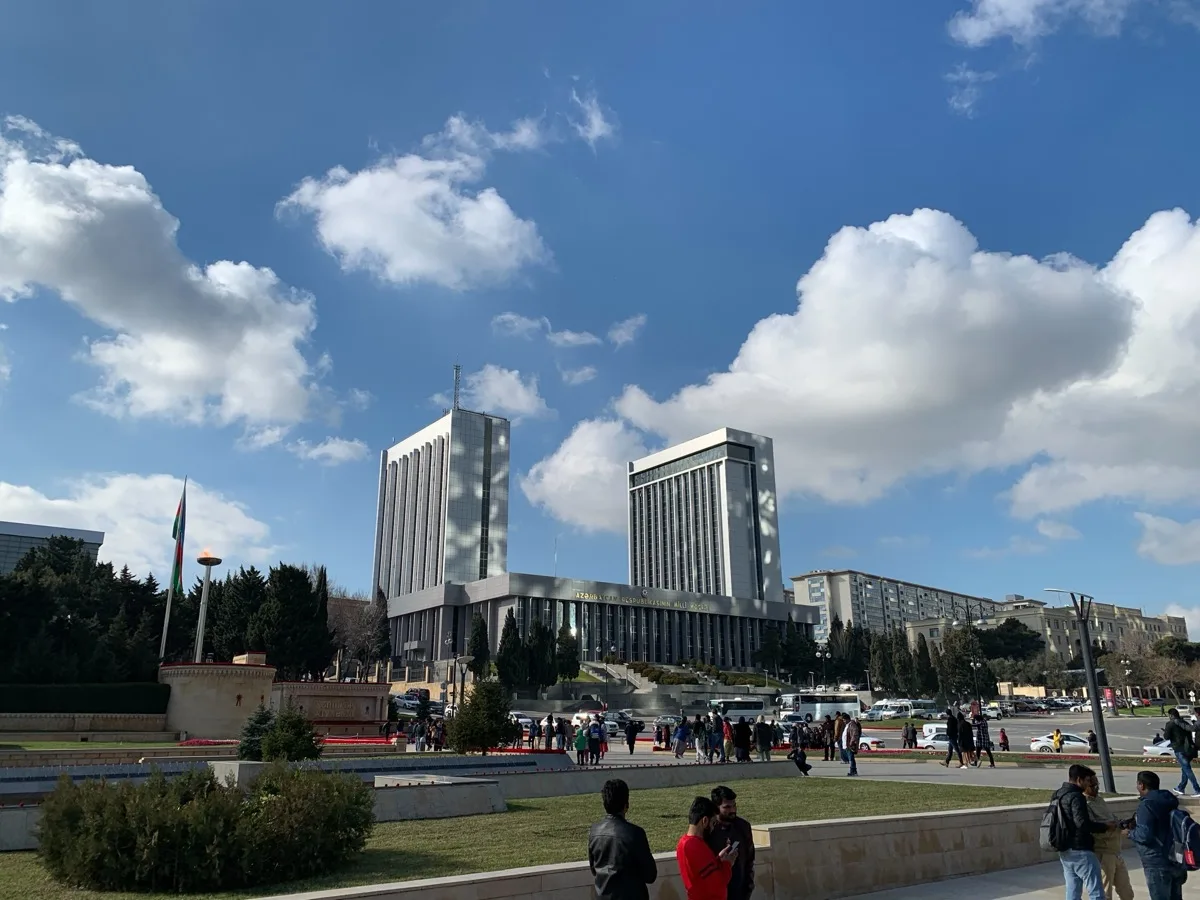
However, senior members of the Milli Majlis (Azerbaijan’s parliament) quickly rejected the reports, denying that any such legislation was being drafted. As reported by the news portal Qafqazinfo, lawmakers confirmed that no such initiative had been submitted to parliament. Arzuxan Əlizadə, deputy chairman of the parliamentary Human Rights Committee, stated that while the topic is discussed socially, no draft legislation exists, describing the report as likely unfounded. Fazil Mustafa, chairman of the Committee on Public Associations and Religious Entities, and Jalə Əliyeva, deputy chairman of the Committee on Family, Women and Children’s Issues, likewise confirmed that relevant committees have not reviewed any such measure. Additionally, the official legislative agenda for the Autumn 2026 session of the Milli Majlis contains no draft bills concerning LGBT restrictions.
Same-sex relations were decriminalized in Azerbaijan in 2000 as part of legal reforms accompanying the country’s accession to the Council of Europe. However, the nation lacks anti-discrimination legislation protecting citizens on the grounds of sexual orientation or gender identity, and same-sex partnerships receive no legal recognition. International rights organizations and ILGA-Europe have consistently ranked Azerbaijan among the European states with the lowest legal and social protections for LGBT individuals, noting entrenched social conservatism and periodic police crackdowns against vulnerable communities.
Similar legislative restrictions on sexual minority information have previously been enacted in other countries across the region. Urania previously detailed how a ban on LGBT propaganda came into force in Belarus and how Belarusian authorities labeled online communities extremist for discussions of LGBT and childfree topics. The publication has also analyzed enforcement data on millions in fines under Russia’s “LGBT propaganda” legislation and court decisions permanently outlawing human rights advocacy groups in Russia.