Democrat-Led Arizona and Virginia End Medicaid Coverage for Youth Gender-Affirming Care Under Trump Rule
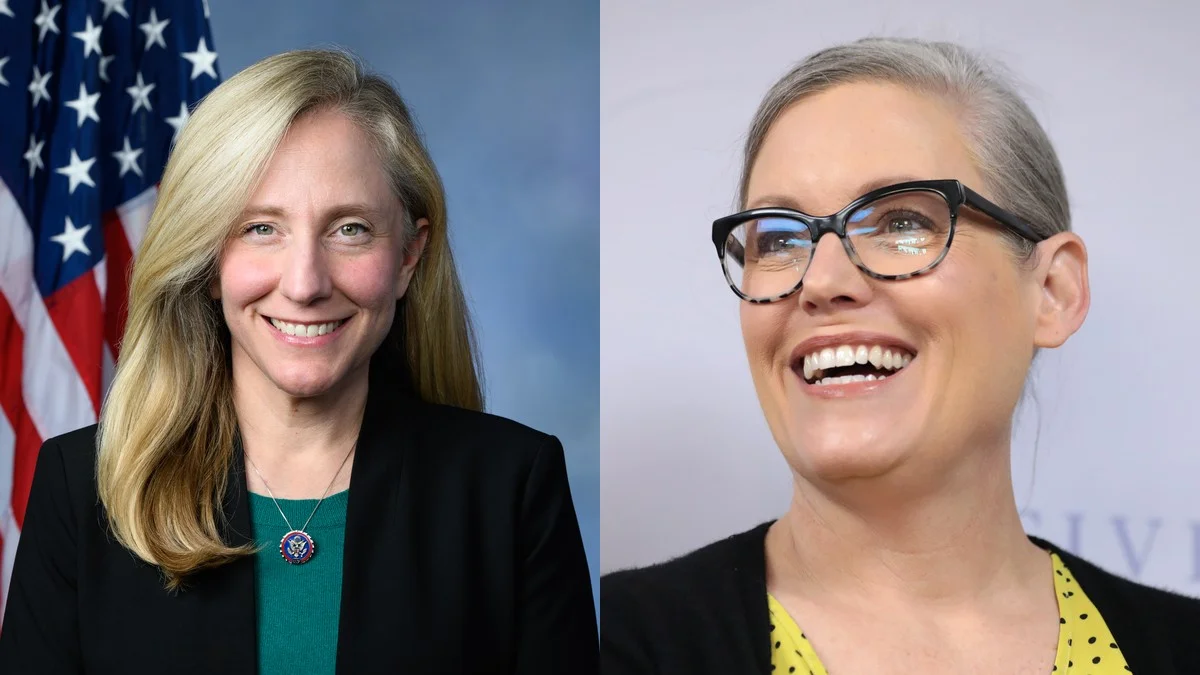
In October 2026, state health agencies in Arizona and Virginia, both governed by Democratic executives, announced decisions to end Medicaid and CHIP insurance coverage for gender-affirming medical treatments for minors. The policy changes take effect on Tuesday, October 13, 2026, complying with a new federal regulation issued by the administration of U.S. President Donald Trump that eliminates federal matching funds for such care.
The federal rule, finalized on August 13, 2026, by the U.S. Department of Health and Human Services (HHS) and the Centers for Medicare & Medicaid Services (CMS), bans the expenditure of federal matching dollars on puberty blockers and hormone replacement therapy for individuals under 18 or 19 years old. The administration categorized these interventions as “experimental and potentially harmful,” a characterization rejected by major mainstream medical bodies including the American Medical Association (AMA) and the American Academy of Pediatrics (AAP). While the federal rule allows states to continue coverage using state-only general funds—an approach taken by at least six Democratic-run states, including California, Illinois, Massachusetts, and Oregon—a coalition of 21 states has challenged the federal regulation in court.
According to the American news outlet The Advocate, Virginia’s Department of Medical Assistance Services (DMAS) issued an update notifying healthcare providers that gender dysphoria care will no longer be covered under Medicaid for minors under 18 or under CHIP for individuals under 19. A six-month tapering-off transition period was established for youths currently receiving medication. Virginia Democratic Governor Abigail Spanberger sharply denounced the White House, accusing the Trump administration of treating transgender youth as “political pawns” in partisan battles, and noted that state officials are exploring all legal and administrative avenues. Virginia Attorney General Jay Jones joined the multistate federal lawsuit challenging the CMS rule. Supporters of the governor pointed out that Virginia’s legislative session adjourned months before the rule was finalized, preventing state lawmakers from appropriating dedicated state funds without an emergency session.
As reported by specialized policy outlet Transitics News, Arizona’s Medicaid program, the Arizona Health Care Cost Containment System (AHCCCS), amended its drug list policies on September 30, halting coverage of puberty blockers and hormone treatments for members under 19 effective October 13, with an identical six-month winding-down grace period. Arizona Governor Katie Hobbs, who had previously vetoed numerous Republican-sponsored bills seeking to ban medical care for transgender youth, did not allocate state funds to replace the withdrawn federal support. Furthermore, Arizona Attorney General Kris Mayes declined to join the multistate legal challenge against HHS. Commentators attribute Arizona’s cautious stance to its role as a key swing state ahead of the November 2026 midterm elections. Earlier in the year, Kansas Democratic Governor Laura Kelly oversaw a similar rollback in state Medicaid coverage.
The moves by Arizona and Virginia highlight deepening intra-party tensions among U.S. Democrats regarding transgender healthcare policy amid high-stakes election battles. Previously, Urania detailed how moderate Democratic candidates have increasingly distanced themselves from transgender issues in response to conservative political attacks, examined tensions within the Ohio Democratic Party’s Pride Caucus over youth gender-affirming care, and analyzed scrutiny surrounding Texas Senate candidate James Talarico’s stance on LGBTQ+ legislation.