Florida's Orange County History Center Explores Deep Roots of Orlando's LGBTQ+ Heritage
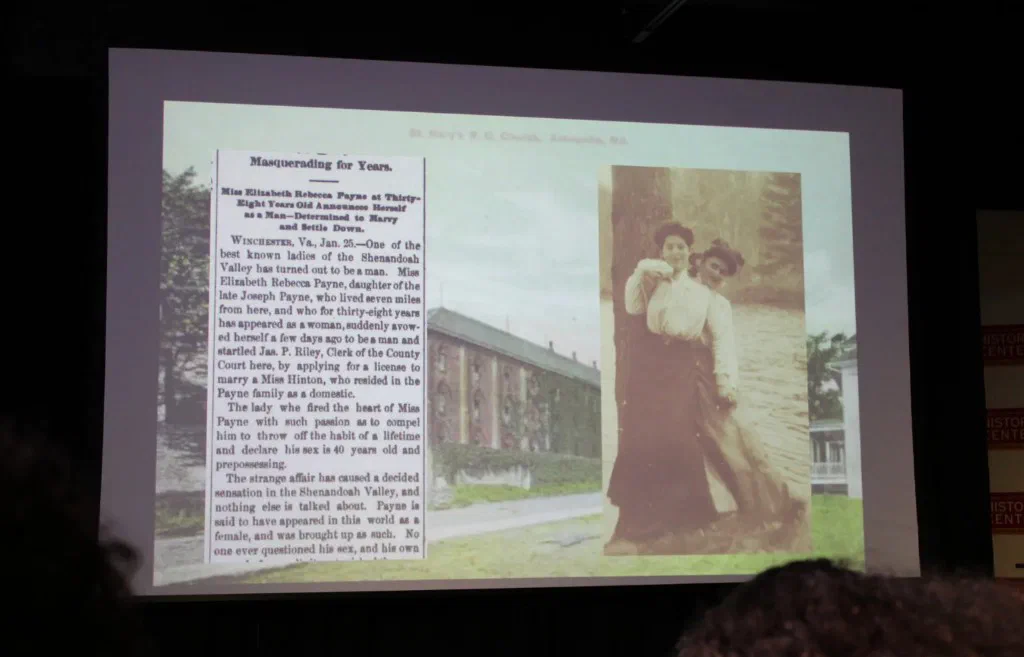
On Friday, October 2, 2026, the Orange County Regional History Center in Orlando, Florida, hosted an educational Lunch & Learn presentation examining the rich history and evolution of Central Florida’s LGBTQ+ community. As reported by the regional Florida publication Watermark Out News, Cheyenne Stastyshyn, the museum’s public program coordinator, led attendees through centuries of local history—from Indigenous traditions predating European colonization to Cold War-era state purges and the post-Stonewall emergence of Orlando’s modern Pride movement.
The presentation commenced with the pre-colonial era long before Florida achieved statehood. Stastyshyn highlighted archival and anthropological evidence demonstrating that Indigenous North American societies understood gender and sexuality beyond rigid European binary categories. European colonizers subsequently used labels such as “hermaphrodites” to categorize those outside Western norms. Within many Indigenous communities, however, such individuals held respected spiritual and social roles, serving as tribal healers, mediators with the spirit world, and trusted counselors to chiefs.
A notable segment of the lecture examined the case of 64-year-old Orlando resident Hiram E. Calder. In 1914, Dr. Calvin D. Christ was called to the Orange County Home for Indigents, where Calder disclosed that he had been assigned female at birth under the name Hanna. Born in Maryland in 1850, Calder lived for decades as a recognized man and ran a popular barbershop in Orlando alongside his wife Sarah, without his gender ever being questioned by the community. Historical records from 1884 revealed that Calder had consulted a physician regarding male identity decades earlier, though the public revelation in 1914 caused widespread fascination across Central Florida.
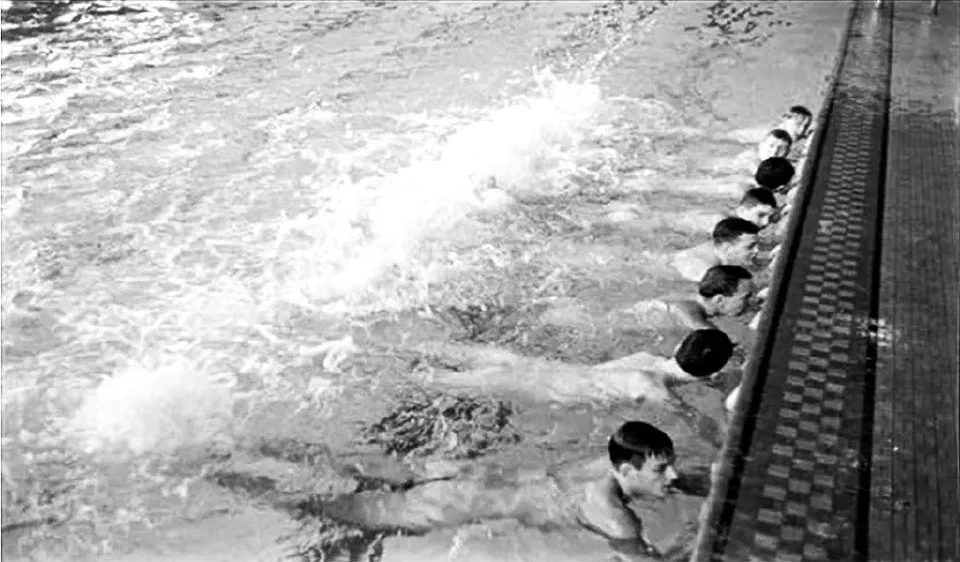
The lecture also detailed the mid-century era of state-sponsored intimidation against LGBTQ+ people. In 1956, the Florida Legislature established the Florida Legislative Investigation Committee, widely known as the “Johns Committee.” Under the guise of investigating subversive and communist influences, the committee conducted aggressive purges targeting faculty and students at public universities. Investigators employed coercive, unconstitutional interrogation methods to force confessions and identify gay colleagues. The crackdown led to more than 100 professors losing their positions and over 400 students being expelled or driven out of academia.
Fear began giving way to organized solidarity following the 1969 Stonewall uprising in New York City, which resonated deeply in Central Florida. Local queer entrepreneurs organized a mutual aid and business collective known informally as the “Gay and Lesbian Gang,” establishing early safe commercial spaces. Starting in the 1970s, community members began gathering for large communal picnics at locations such as Bill Frederick Park at Turkey Lake, combining barbecues and music with preventative healthcare screenings and civil rights advocacy. Attendees noted that documenting and sharing these historical milestones underscores the longstanding, continuous presence of LGBTQ+ people in Central Florida.
The Orange County Regional History Center is a public history museum located in the historic 1927 county courthouse in downtown Orlando. Accredited by the American Alliance of Museums, the institution preserves and interprets Central Florida’s cultural heritage through permanent exhibits, community archives, and public educational programs.
Previously, Urania reported on LGBTQ+ developments in Florida, including the raising of the Pride flag and celebrations organized in the city of St. Petersburg.