
In Tasmania, Proposed LGBT Conversion Therapy Ban Sparks Heated Debate
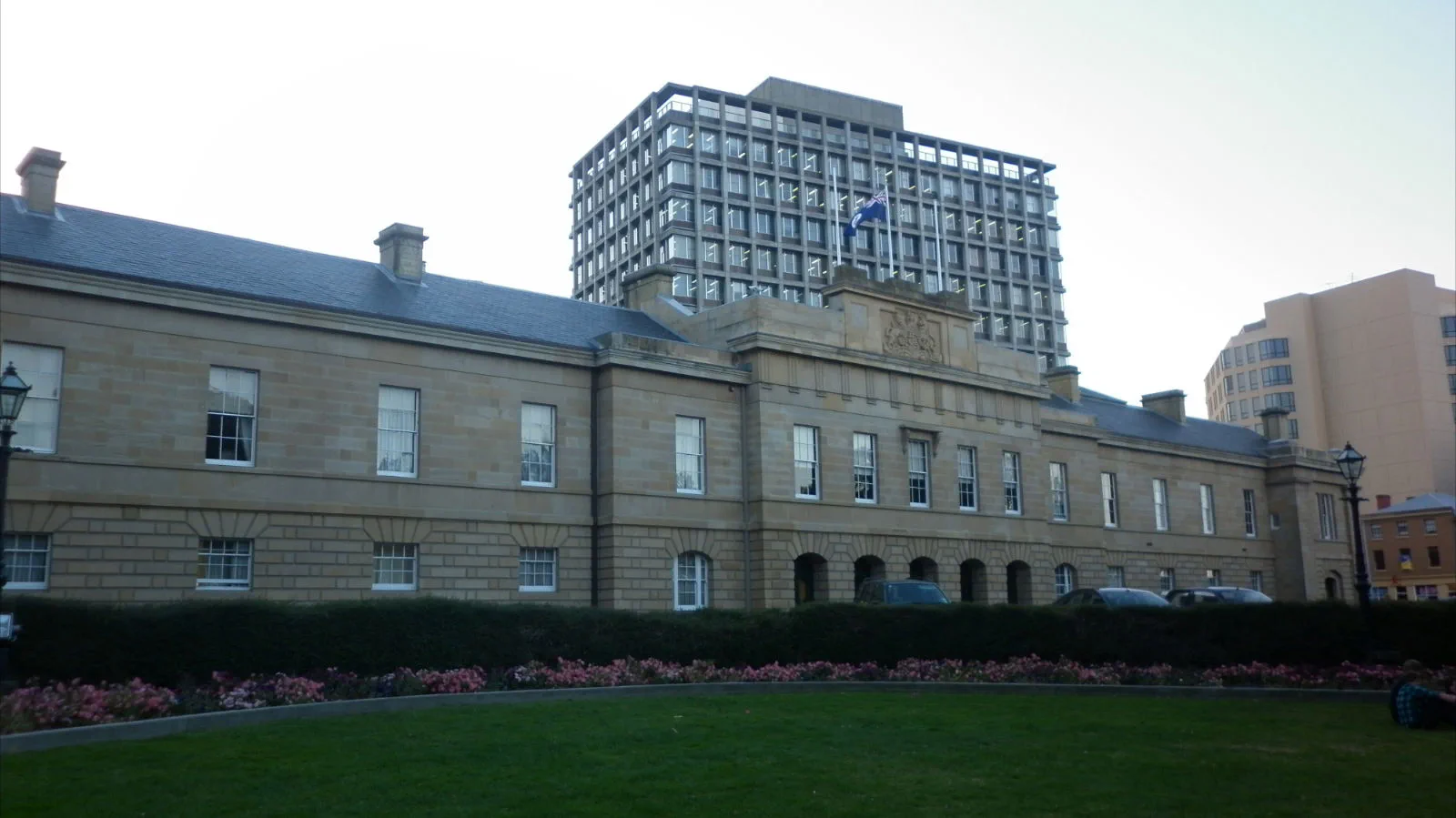
In early October 2026, public and political debate intensified in the Australian island state of Tasmania over cross-bench legislation to ban sexual orientation and gender identity conversion practices. The private member’s bill, tabled by the Tasmanian Greens in the House of Assembly, is scheduled for detailed debate when the state parliament resumes sittings on October 27, 2026.
The Conversion Practices Prohibition Bill 2026 creates criminal offences for attempts to change or suppress a person’s sexual orientation or gender identity, while establishing an education, prevention, and civil response scheme administered by Tasmania’s Anti-Discrimination Commissioner. Liberal Premier Jeremy Rockliff granted government MPs a conscience vote on the measure; Rockliff indicated support in principle for ending harmful practices subject to statutory refinements, whereas Police Minister Felix Ellis declared he would vote against the bill citing concerns over religious freedom and parental oversight. Labor and crossbench MPs have expressed support for passing the ban.
According to an analysis released by rights group LGB Alliance Australia , the tabled legislation has raised concerns among sex-based rights advocates and therapists. The group noted that following public consultation, the bill was amended to redefine “sexual orientation” under the Tasmanian Anti-Discrimination Act, shifting from attraction based on biological sex (heterosexuality, homosexuality, bisexuality) to attraction towards persons of “the same gender, different gender or more than one gender”, as well as adding asexual and aromantic attraction. The organization argued this change conflates sex with gender identity. Furthermore, they warned that counsellors, psychotherapists, and social workers not registered with the national regulator Ahpra lack clear statutory safe harbors, potentially leaving exploratory therapy open to third-party conversion complaints when clinicians examine root issues such as trauma, neurodiversity, or emerging same-sex attraction without immediately affirming a social transition.
In response, Tasmanian Greens leader Rosalie Woodruff and MP Vica Bayley defended the bill as the culmination of two years of drafting informed by the 2022 Tasmania Law Reform Institute inquiry into conversion harm. Proponents emphasized that the legislation explicitly protects good-faith clinical healthcare, non-judgmental identity exploration, detransition support, family discussions, and religious prayer, arguing that passing the legislation will bring Tasmania into alignment with other Australian states—such as Victoria, New South Wales, and Queensland—that have enacted conversion practice bans.
LGB Alliance Australia was formed as the domestic branch of the UK-founded advocacy network campaigning for the sex-based rights of lesbians, gay men, and bisexuals. The organisation opposes the substitution of biological sex with gender identity concepts in statutes and questions medical transition pathways for youth, arguing that gender distress often resolves into same-sex attraction in adulthood.
Debates regarding conversion therapy bans and the legal boundary between biological sex and gender identity continue across many Western jurisdictions. Previously, Urania covered LGB Alliance’s involvement at the UK Conservative Party conference , legislative deliberations on conversion bans in Switzerland , and high-profile Australian court rulings concerning single-sex spaces .