Germany: Openly Gay Frank-Christian Hansel Re-Elected to Berlin Parliament for 'Alternative for Germany' Party
 (CC BY-SA 4.0)](/news/2026/0923-berlin-afd-frank-christian-hansel/cover_hu_128f780ec2dbe841.webp)
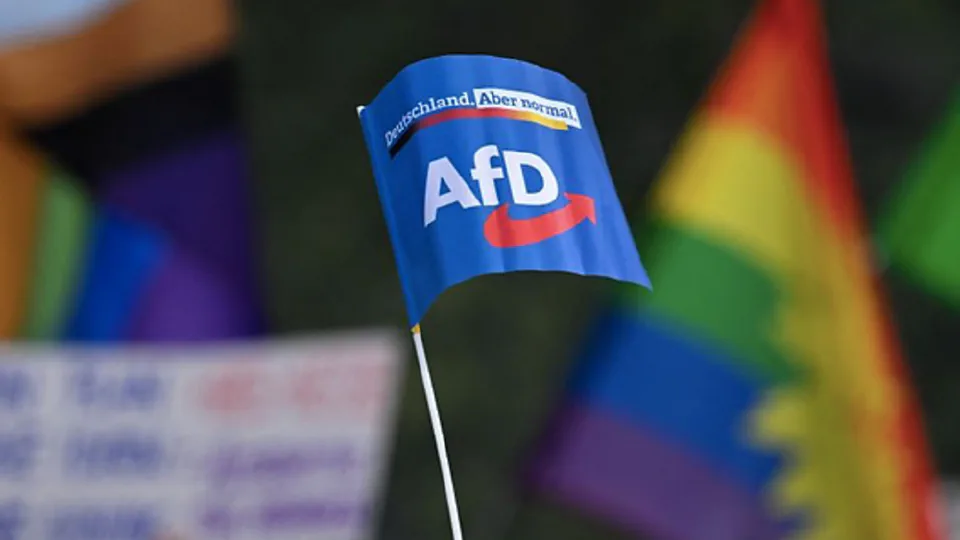
Following the Berlin state elections held on September 20, 2026, openly gay lawmaker Frank-Christian Hansel secured re-election to the Berlin House of Representatives on the ticket of the right-wing Alternative for Germany (AfD). As reported by the German LGBTQ+ outlet Queer.de, Hansel retained his seat amid a record-breaking result for the AfD in the German capital, where the party garnered 16.3% of the vote.
The September 20 vote marked the AfD’s strongest showing ever in Berlin. Several other party candidates won seats in the state parliament, including lawmaker Gunnar Lindemann, who retained his direct mandate in Marzahn-Hellersdorf and has repeatedly protested against local Marzahn Pride events, and Julian Adrat, known for outspoken hardline statements against transgender identity. At the same time, other openly gay candidates were also re-elected across the political spectrum: Christian Democrat (CDU) lead candidate Stefan Evers, alongside Green party lawmakers Werner Graf and Sebastian Walter. Conversely, two prominent gay parliamentarians from The Left (Die Linke)—former culture senator Klaus Lederer and long-serving MP Carsten Schatz—left parliament after declining to run due to internal disputes, while well-known Berlin drag queen Gloria Viagra, running for Die Linke in Pankow, fell short of securing a seat.
Within the AfD parliamentary group, Hansel serves as spokesperson for economic affairs, energy, climate, airports, and tourism. He has consistently distanced himself from mainstream LGBTQ+ activism and contemporary concepts of “queer” politics, describing specific activist demands as “luxury problems” and rejecting the notion of a right-wing threat to homosexuals as unfounded. Hansel argues that Germany’s Basic Law already provides universal equal protection without requiring specialized constitutional clauses for sexual orientation. He identifies mass immigration and religious intolerance in Muslim communities as the primary security concerns for homosexuals in Germany, while criticizing left-wing identity politics for reducing individuals to their sexual orientation.
The 61-year-old Frank-Christian Hansel was born in Wiesbaden, holds a degree in political science, and was a member of the center-left Social Democratic Party (SPD) in the early 1990s. In 2013, he became a founding member of the Alternative for Germany, later serving as the party’s federal managing director. He has served continuously in the Berlin House of Representatives since 2016, including five years as parliamentary group director until 2021. Hansel has lived openly as a gay man for decades and is married to his long-time partner.
Previously, Uránia reported on other developments in German politics: the AfD’s decisive election victory in Saxony-Anhalt , which raised concerns among civil rights groups, and the nomination of openly gay Stefan Evers as CDU parliamentary leader in Berlin following the September 20 vote.