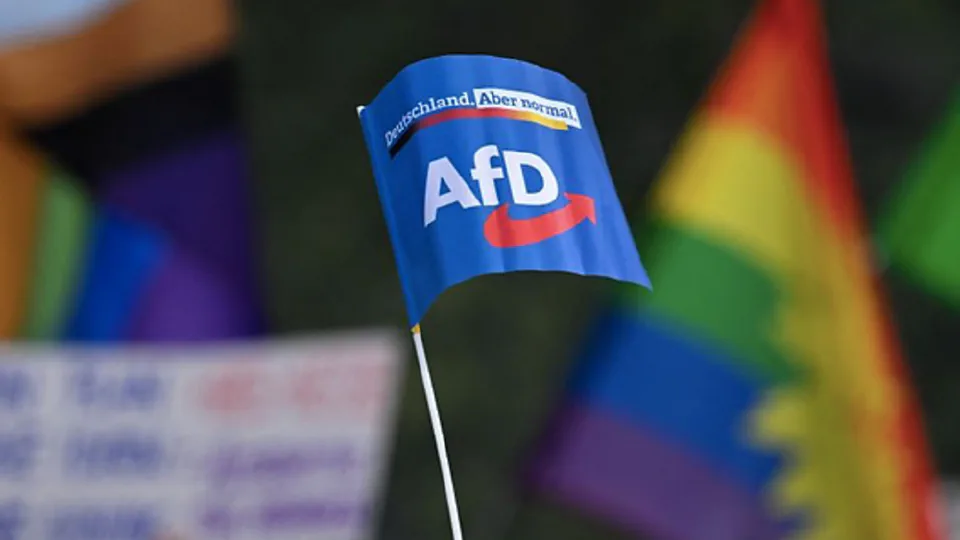
The victory of the Alternative for Germany party in eastern Germany draws attention to the LGBT status of its leader, Alice Weidel
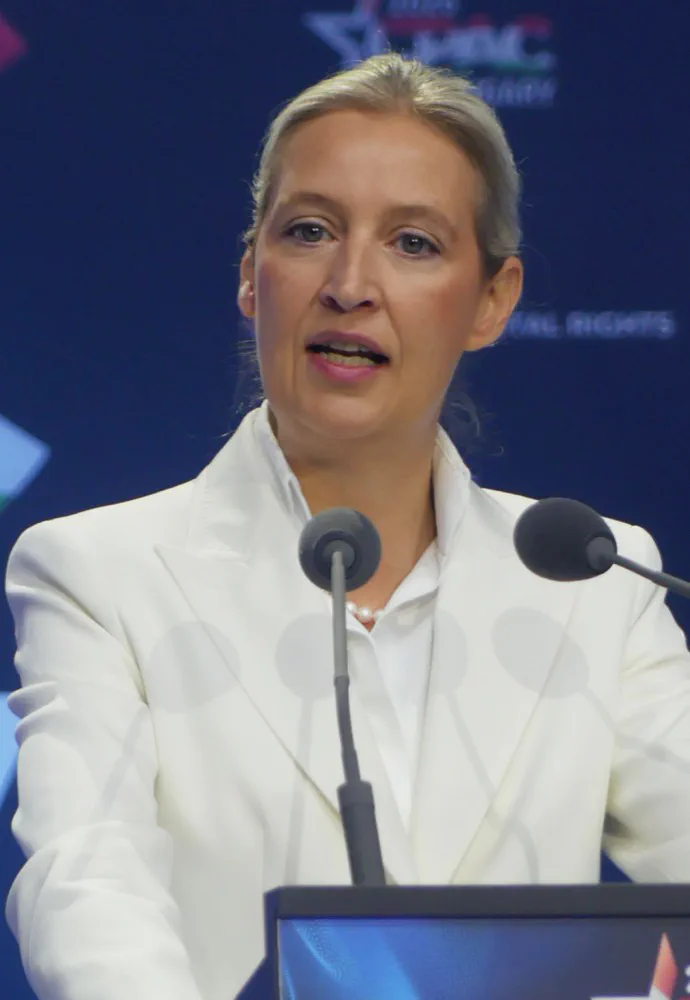
Following the victory of the right-wing Alternative for Germany (AfD) party in the regional elections in the eastern German state of Saxony-Anhalt on September 6, international and LGBT media have once again focused on the party’s co-leader Alice Weidel, an openly lesbian politician. According to PinkNews, the party’s record result of 43.8% of the vote and 39 of 83 seats in the state parliament in Magdeburg has sparked a new wave of discussions on how Weidel’s personal life aligns with the AfD’s political program.
Critics and left-liberal commentators frequently accuse the AfD of intolerance, pointing to the party’s demands to repeal the 2017 same-sex marriage law (“marriage for all”) and its defense of the traditional family. Weidel herself, however, frames her position differently. In an interview with ARD, she stated: “I am not queer, I am married to a woman I’ve known for twenty years, and we are raising two children.” Weidel consistently distances herself from the term “queer,” rejects modern “gender politics,” and emphasizes that she does not feel discriminated against.
On matters of family law, the AfD insists on maintaining the definition of marriage as a union between a man and a woman. Weidel herself has been in a relationship with Swiss film producer Sarah Bossard since 2009; together they raise two sons and live in the Swiss town of Einsiedeln. Weidel maintains that she sees no contradiction between her personal life and the AfD’s conservative values. At the same time, some commentators note that her status as an open lesbian helps the party defend itself against accusations of homophobia.
Furthermore, the AfD and its supporters argue that the primary threat to the safety of homosexuals in modern Germany comes not from right-wing conservatism, but from uncontrolled migration from countries with patriarchal cultures. Within the AfD, Weidel enjoys the backing of delegates and is regularly re-elected to leadership positions. Party representatives stress that they evaluate politicians based on their professional qualities, rejecting identity politics.