"The Sexuality of Care" — M. K. Thekkumkattil's Book on Nursing, Kink Culture, and Radical Consent
An ICU nurse explores institutional violence in medicine and radical consent within kink culture.
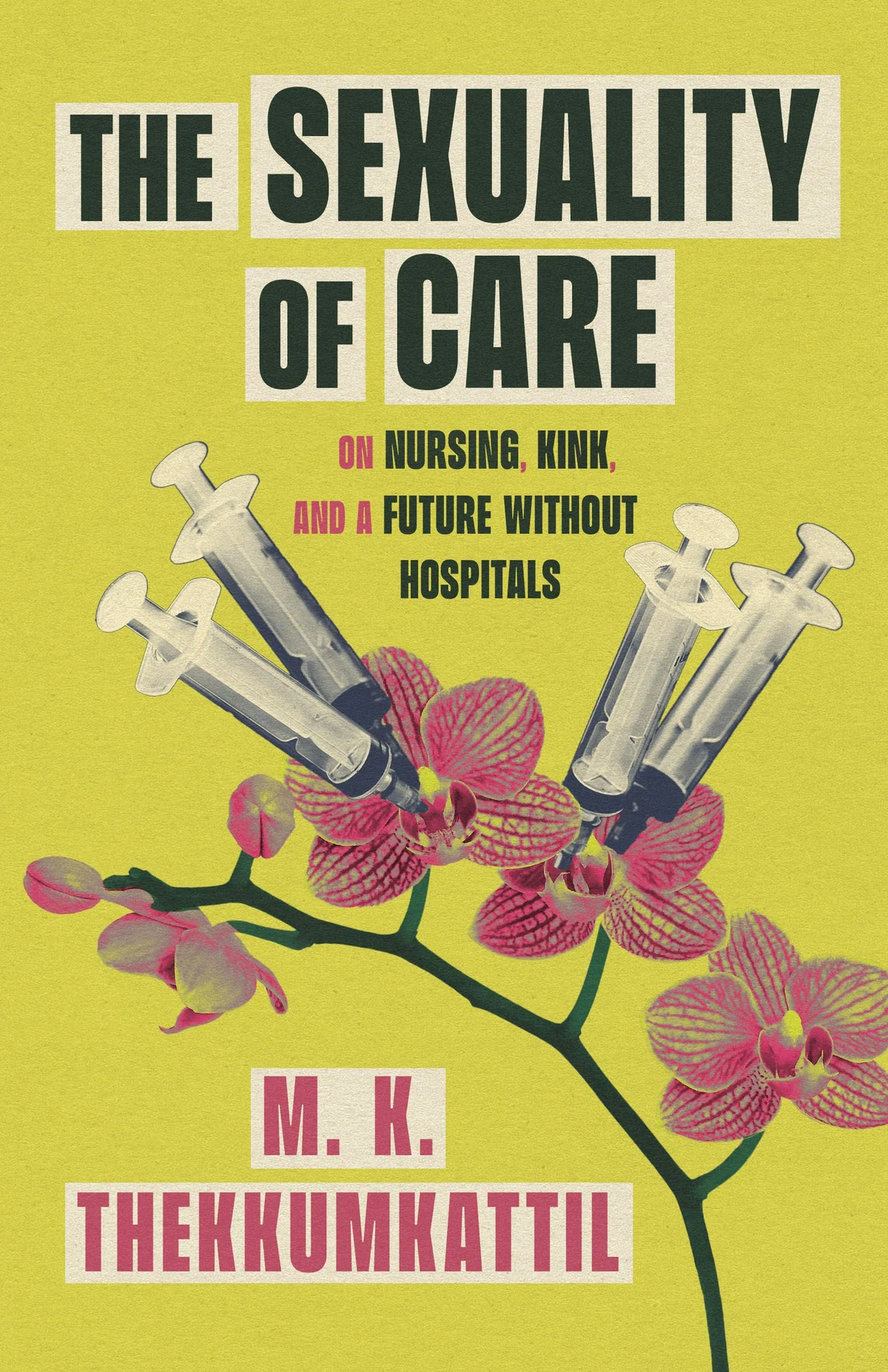
On July 14, 2026, American independent publisher The Feminist Press at CUNY published in English the essay collection The Sexuality of Care: On Nursing, Kink, and a Future Without Hospitals. The book was written by trans writer and intensive care nurse M. K. Thekkumkattil, with a foreword contributed by feminist theorist and writer Sophie Lewis.
M. K. Thekkumkattil is a queer, trans, and disabled writer and healthcare worker whose essays and prose have appeared in publications such as Black Warrior Review, smoke and mold, and various literary anthologies. Having spent years laboring as a bedside critical care nurse, particularly during the harrowing peaks of the COVID-19 pandemic, Thekkumkattil confronted the toll of structural health crises alongside their own journey with chronic illness and gender awakening. This intersection of personal vulnerability and clinical complicity shaped the collection, which seamlessly interweaves intimate memoir, institutional critique, and visionary manifesto.
The core argument of the book hinges on an incisive juxtaposition of hospital care work and consensual kink practices. Thekkumkattil investigates how the contemporary medical-industrial complex systematically compels nursing staff to enact coercive control over vulnerable patients—from physical four-point restraints and chemical sedation to invasive procedures carried out without genuine choice in the name of unilateral survival. In a series of raw epistolary essays addressed to former patients (“Dear Peter,” “Dear Julia,” “Dear Alison”), the author wrestles with the collective grief, moral injury, and guilt endemic to the nursing profession. By contrasting clinical subjugation with negotiated BDSM dynamics, Thekkumkattil demonstrates that queer and kinky subcultures offer sophisticated models of radical consent, bodily autonomy, and attentive aftercare that institutional healthcare urgently lacks.
The volume also engages deeply with labor history, gender norms, and racial capitalism. Thekkumkattil deconstructs the sentimental myth of nursing as an innate extension of maternal self-sacrifice, while essays like “Dear Filipina Nurses Who Died of COVID” expose the ongoing colonial exploitation of migrant healthcare labor in the United States. In the final chapters, the author embraces the frameworks of hospital abolition and disability justice. Grounded in transformative queer ethics, The Sexuality of Care envisions a world where mutual aid and compassionate healing flourish outside the coercive walls of corporatized medical institutions.