\"Queer India Now\": An Anthology on How Casteism and Racism Ossified Homophobia
A new book edited by Dhamini Ratnam and Dhrubo Jyoti explores the intersection of queer identity, caste, and colonial legacy in contemporary India.
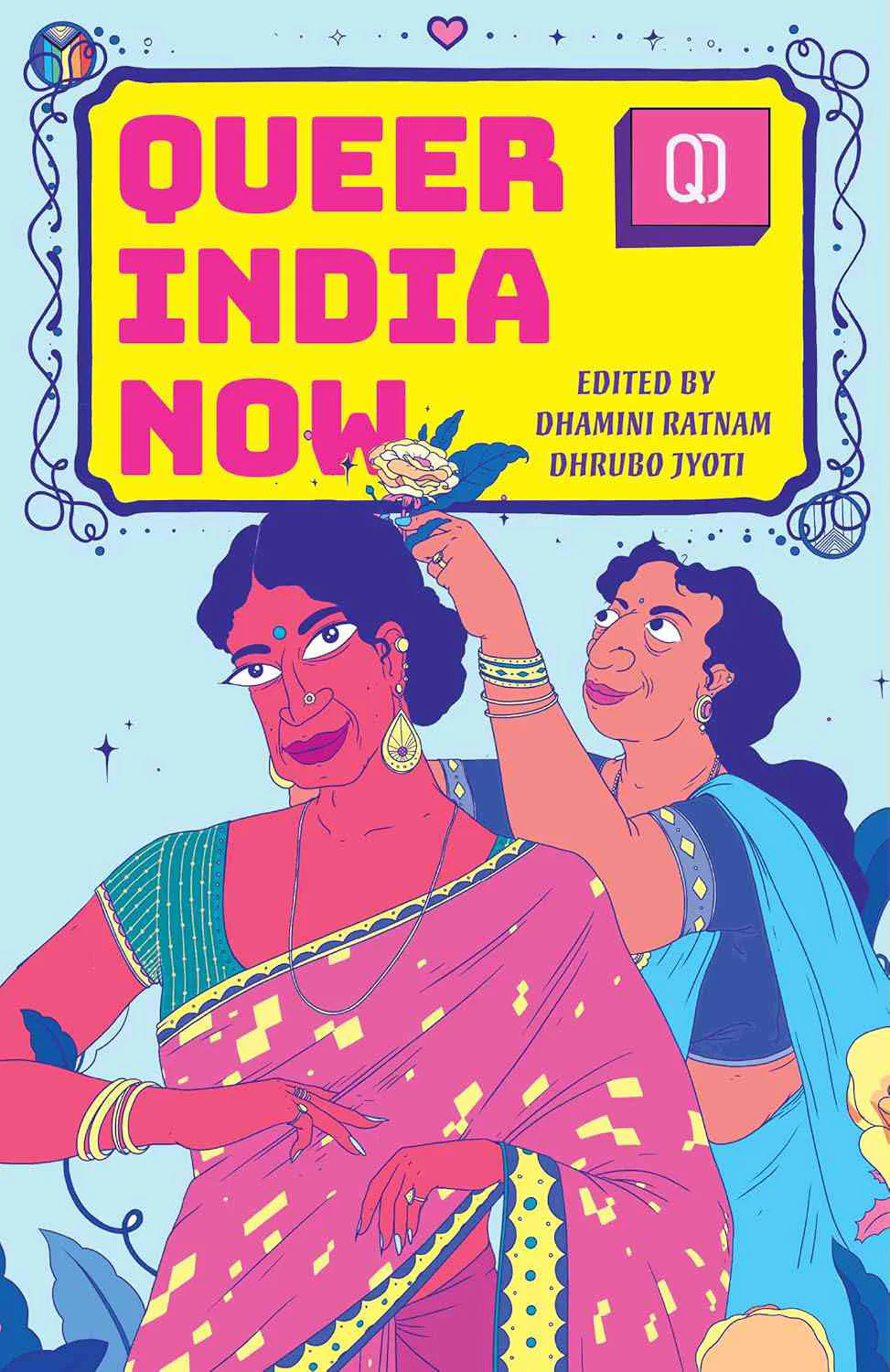
In 2026, Westland Books (under the Queer Directions imprint) published the anthology Queer India Now. The book was compiled and edited by Dhamini Ratnam and Dhrubo Jyoti.
The collection offers a deep exploration of what it means to live, work, and love as an LGBT person in contemporary India. Drawing on real-life stories and analysis, the book’s contributors argue that the history of casteism and racism is closely tied to the entrenchment and “ossification” of homophobia in Indian society.
The essayists, who include LGBT lawyers, trans doctors, artists, and activists, reveal how sexuality and gender became sites for exercising caste privileges long before British colonialism introduced its specific brand of racial prejudice and misogyny. In the book’s introduction, the authors turn to historical examples, starting with the 19th-century trials of hijras and transgender people. They demonstrate how colonial legislation – such as Section 377 and the Criminal Tribes Act – did not merely criminalize same-sex relations but entrenched the dehumanization of marginalized groups.
The book highlights the thought of thinker and politician Bhimrao Ramji Ambedkar, emphasizing that prejudice cannot thrive on barren soil. The development of homophobia in India is examined not simply as a consequence of Victorian morality, but as the result of a complex interplay of local caste geometry, ritual dehumanization, and norms imposed by colonizers.
The publication aims to be not just a historical journey, but a reflection of the contemporary struggle of LGBT Indians for dignity in a society that remains largely legally restrictive and socially intolerant.