“Trans People’s Reproductive Health in Madrid” — Juana Ramos Cantó’s Book on Trans Parenthood and Reproductive Justice
A sociological study of trans reproductive desires, healthcare barriers, and justice in Madrid.
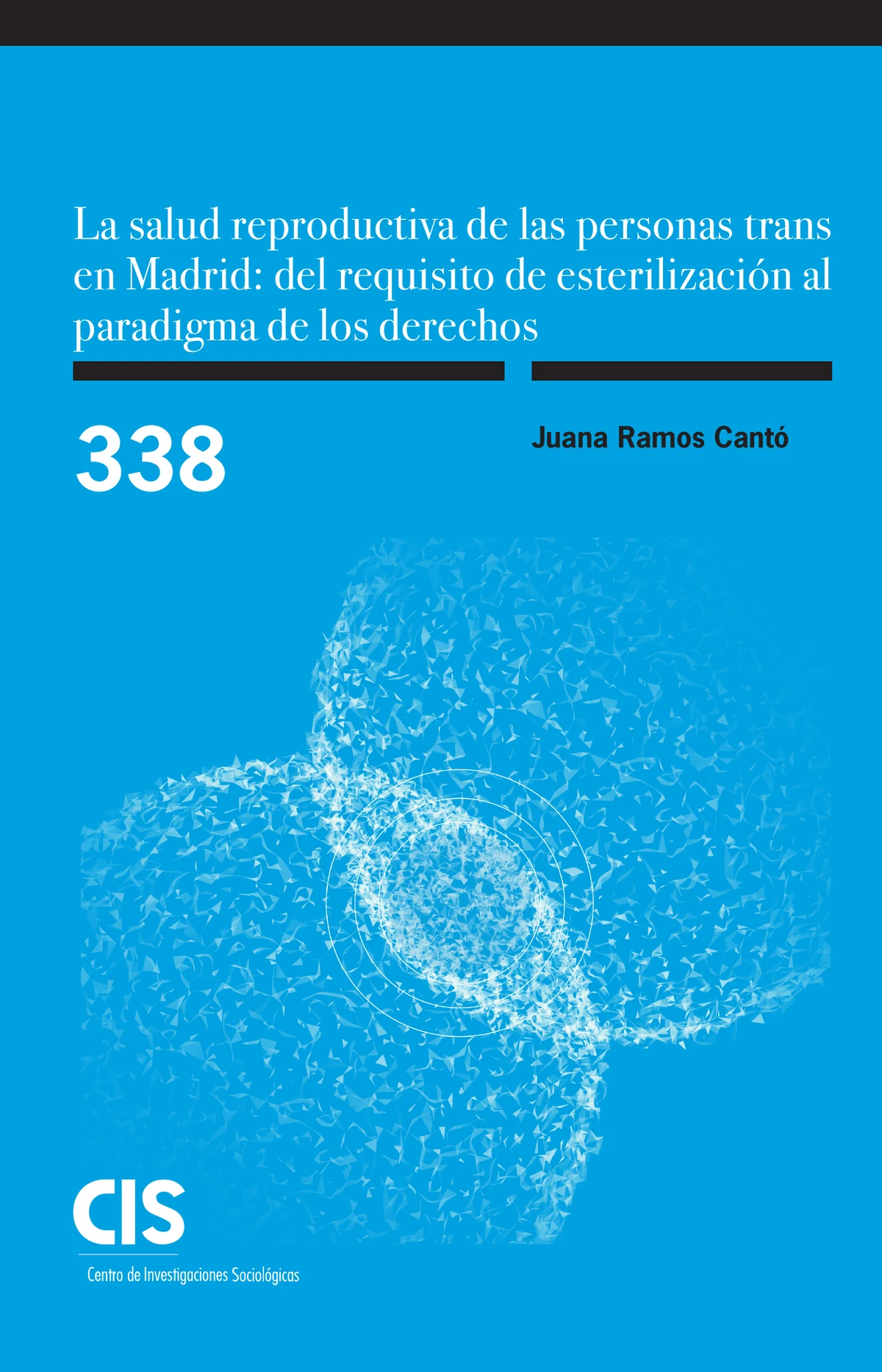
In June 2026, Spain’s Center for Sociological Research (Centro de Investigaciones Sociológicas, CIS), in co-edition with the Ministry of the Presidency, published the monograph by Juana Ramos Cantó titled La salud reproductiva de las personas trans en Madrid: del requisito de esterilización al paradigma de los derechos (“Trans People’s Reproductive Health in Madrid: From the Sterilization Requirement to the Rights Paradigm”). Published in Spanish as volume 338 of the academic collection Monografías and distributed through the Official State Gazette (BOE) and the Union of Spanish University Publishers (UNE), the book represents the first comprehensive qualitative sociological investigation into the reproductive trajectories, healthcare obstacles, and desires of trans people in Spain.
Juana Ramos Cantó is a university lecturer in healthcare social work and a professional social worker specializing in intervention with migrants and refugees. Holding a PhD in Social Work from the Complutense University of Madrid (UCM), her scholarly work centers on social determinants of health, health inequalities, human rights, and reproductive justice. The book originates from her doctoral dissertation at UCM, seamlessly bridging empirical social science methodology with hands-on clinical and community practice.
The author frames her inquiry around a landmark cultural milestone from 2008: the global visibility generated when Thomas Beatie, a pregnant trans man, appeared on the cover of The Advocate. This revelation demonstrated to the public and biomedical academia that trans individuals can and do wish to reproduce, catalyzing international research. In Spain, however, clinical protocols and sociological scholarship long neglected trans reproductive health, leaving significant gaps in public health planning and medical support.
Ramos Cantó traces changes in Spanish law. Under Law 3/2007, changing a recorded sex generally required a diagnosis of gender dysphoria and at least two years of medical treatment. Law 4/2023 removed requirements for medical or psychological reports and changes to the body.
Empirically grounded in the Community of Madrid, the study draws on in-depth narrative interviews with trans-masculine, trans-feminine, and non-binary individuals and their interactions with the public health system (SERMAS). Findings highlight acute systemic deficiencies: widespread clinical misinformation regarding fertility preservation, discomfort and prejudice during reproductive or gynecological consultations, and the compounding burdens of minority stress and transphobic stigma.
Interviewees describe receiving little information about how some treatments might affect fertility or what options existed to preserve it. Ramos Cantó calls for equal access to that information and for care that respects patients’ decisions.