“How to Win a Culture War” — Lisa Stulberg’s Book on Pop Culture and Sports in LGBTQ+ Social Change
A study of how media, entertainment, and sports transformed LGBTQ+ acceptance in the United States.
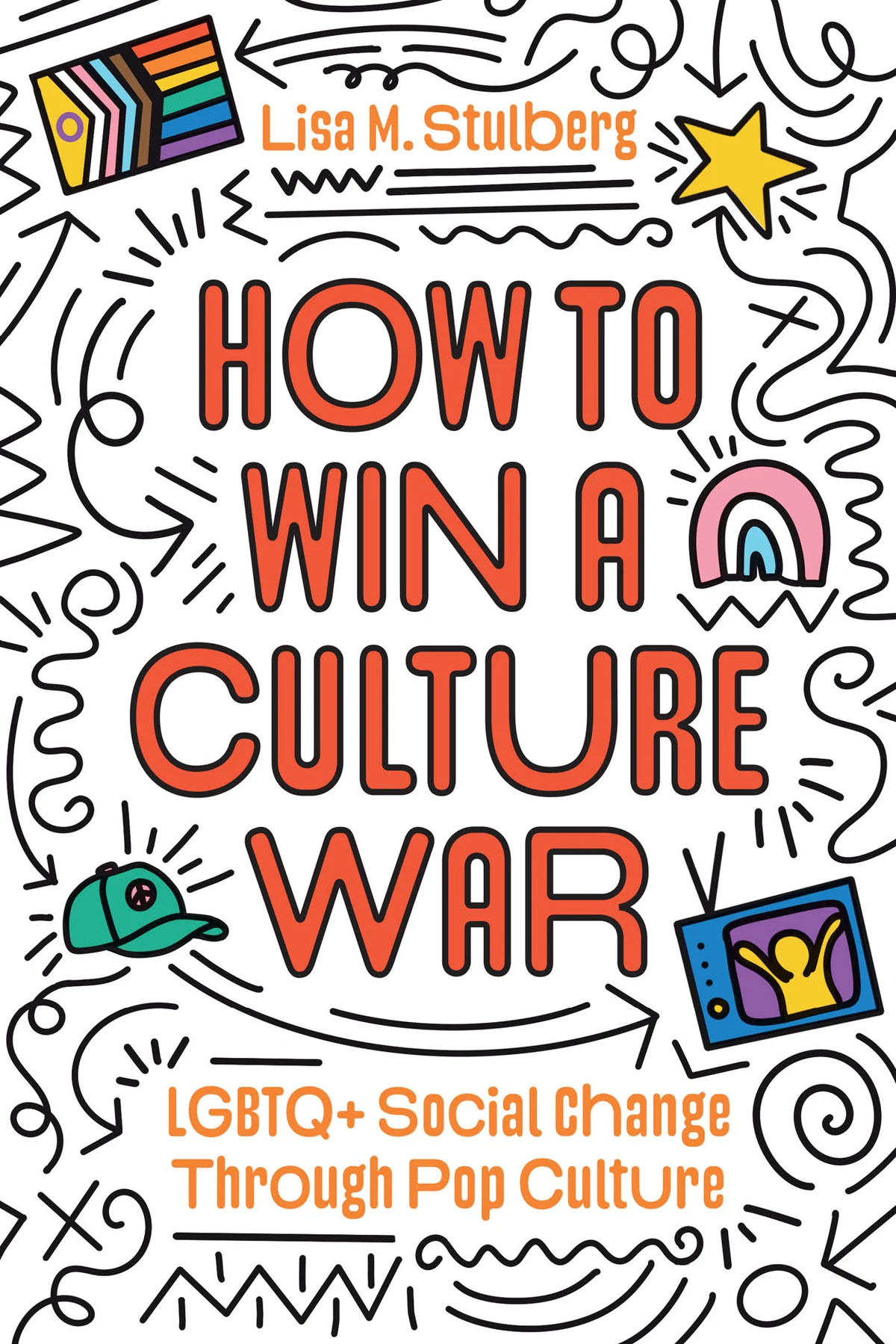
In October 2026, the University of Chicago Press published How to Win a Culture War: LGBTQ+ Social Change Through Pop Culture by sociologist Lisa M. Stulberg. The book investigates how the entertainment industry, television, music, and professional sports laid the groundwork for historic legal and social shifts in LGBTQ+ acceptance across the United States over recent decades.
Lisa M. Stulberg is an American sociologist and Associate Professor of Sociology of Education at New York University’s Steinhardt School of Culture, Education, and Human Development. Holding a PhD in sociology from the University of California, Berkeley, she specializes in the sociology of education, social policy, and civil rights movements. Stulberg is the author of LGBTQ Social Movements (Polity, 2018), as well as numerous academic studies examining educational equity and social stratification.
The book is grounded in fourteen years of research and more than 170 in-depth qualitative interviews with screenwriters, producers, directors, actors, musicians, elite athletes, and advocacy leaders. Interviewees include Will & Grace star Eric McCormack, Orange Is the New Black actor Lea DeLaria, four-time Olympic gold medal diver Greg Louganis, former NFL football players, and the creative team behind the 2025 television series Heated Rivalry, which explored queer romance in professional hockey. Stulberg enriches these oral accounts with archival materials from entertainment unions, broadcasting networks, and athletic leagues.
Stulberg organizes the practices of cultural trailblazers into six interconnected steps or strategies for social change. The first step is to “be visible,” entering living rooms through broadcast screens and dismantling decades of silence. The second is to “use your platform,” leveraging public recognition to advocate directly for equality. The third is to “change the workplace,” establishing employee resource groups, nondiscrimination policies, and protective union contracts within Hollywood studios and sports franchises.
The fourth strategy is to “overachieve”: early openly queer athletes and artists faced intense pressure to perform flawlessly to counter homophobic prejudice. The fifth step is to “become normal,” integrating queer lives seamlessly into mainstream storylines, domestic dramas, and sports commentary. Finally, the sixth step is to “stay queer,” resisting the urge to assimilate away distinctive community cultures and insisting on complex, unapologetic queer difference rather than settling for palatable respectability.
The monograph traces the trajectory from mid-20th-century censorship codes and caricatured cameos to prime-time visibility and landmark coming-out moments in major league sports. Stulberg emphasizes that cultural change did not merely follow court rulings and statutes; it frequently preceded legal milestones by generating empathy and reimagining community norms. Amidst contemporary legislative rollbacks and polarized culture wars, the book demonstrates why the cultural sphere remains a vital battleground for defending civil liberties.