"Frivolity" — Jehanne Dubrow's Book on Queer Aesthetics, Camp, and the Power of Joy
A poet examines the links between frivolity, queer aesthetics, camp, and joy in troubled times.
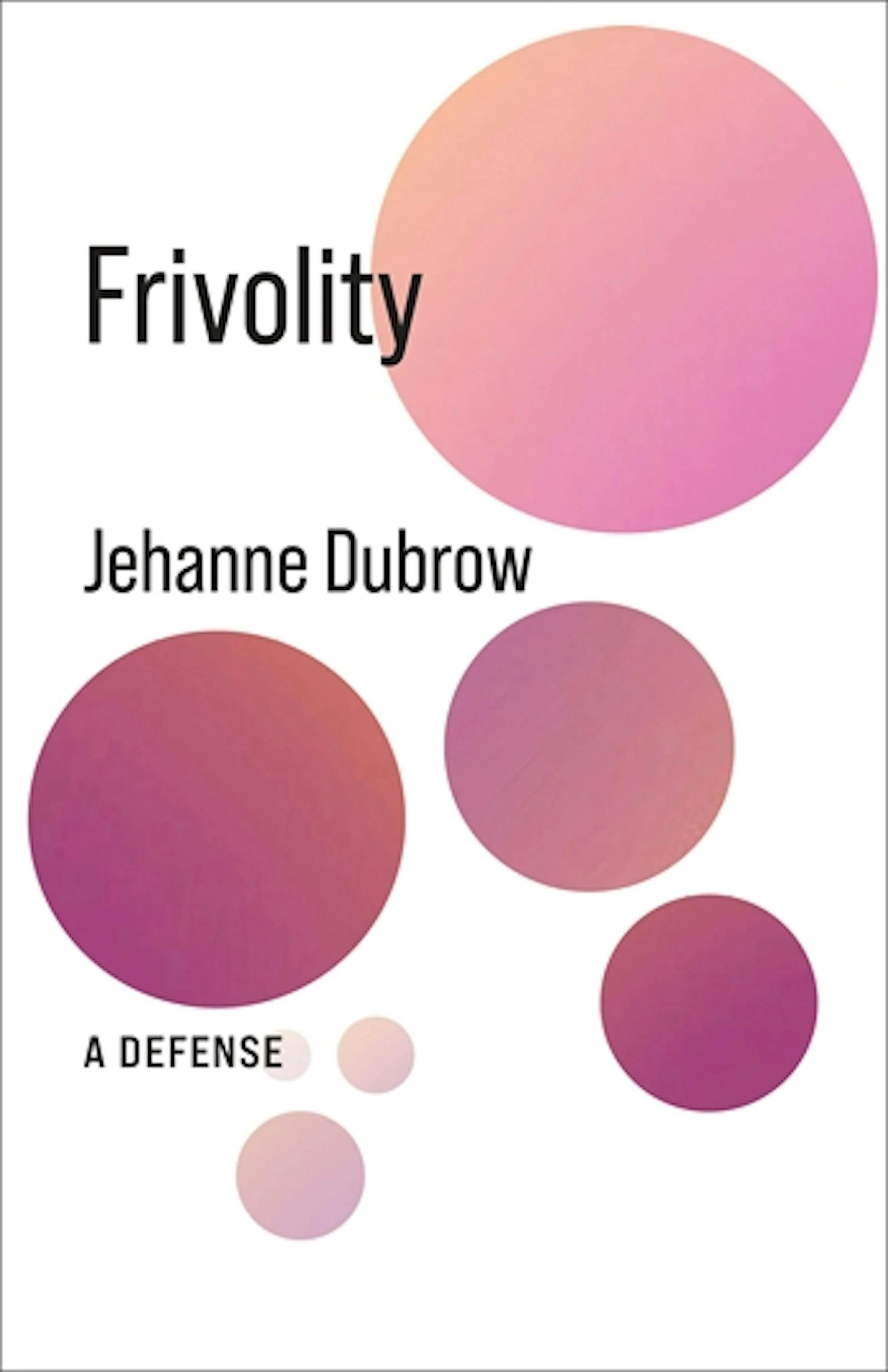
In August 2026, Columbia University Press published the book Frivolity: A Defense as part of its No Limits series. Written in English by poet, essayist, and literary scholar Jehanne Dubrow, the work offers an expansive cultural and philosophical examination of the unserious, tracing the historical roots of anti-hedonistic disdain and demonstrating the intrinsic links connecting accusations of “frivolity” to femininity, queer aesthetics, and forms of political and cultural defiance.
The author, Jehanne Dubrow, is a distinguished research professor and professor of creative writing at the University of North Texas. She earned her bachelor’s degree from Frostburg State University, a Master of Fine Arts from the University of Maryland, and a PhD in English literature and creative writing from the University of Nebraska–Lincoln. Dubrow is the author of ten collections of poetry examining historical memory, trauma, and domesticity, as well as multiple books of nonfiction, including Taste: A Book of Small Bites (Columbia University Press, 2022) and the craft guide The Wounded Line: A Guide to Writing Poems of Trauma (2025). In her latest book, her poet’s attentiveness to cadence and evocative detail merges with rigorous cultural critique and intimate personal essay.
Composed of 101 interconnected associative sections, the book navigates a rich archive of literature, art, and everyday ephemera. Dubrow opens by interrogating why Western intellectual culture remains so stubbornly committed to solemnity and grim utilitarianism, routinely despising pursuits and objects deemed trifling, decorative, or trivial. Moving across centuries—from the courtly observations of Sei Shōnagon’s Pillow Book and the subtle domestic ironies of Jane Austen to Mozart’s playful formal perfection, Greta Gerwig’s Barbie, and Nora Ephron’s romantic comedies—the author demonstrates how patriarchal and puritanical standards have long weaponized sobriety to maintain authority, dismissing ornament, sensuality, and charm as moral defects.
A central thesis of Dubrow’s exploration is that the label of frivolity has historically operated as an instrument of social marginalization directed at women and queer people. Drawing extensively on Susan Sontag’s seminal 1964 essay “Notes on ‘Camp’”, Dubrow illuminates how queer communities have historically reclaimed artifice, exaggeration, plumage, lace, shocking pink, and flamboyant theatricality as vital tools of survival, irony, and self-fashioning. Far from representing vacuous escapism, camp and sartorial excess function as deliberate rejections of heteronormative austerity. Dubrow also examines the concept of “tactical frivolity” within political protests, showing how clowning, absurd costumes, and playful disobedience disarm oppressive state mechanisms by stripping authoritarian power of its solemnity.
The critical inquiry is deeply anchored in personal experience. Dubrow reflects candidly on her own recovery from trauma and bodily alienation through the sensory world of artisan perfumery and fragrance subcultures, finding fellowship and grounding in an ephemeral, dismissed craft. In another evocative sequence, she recounts her “Year of Perfect Skin,” initiated just before the global lockdowns of 2020, where obsessive multi-step skincare routines offered an unexpected psychological anchor against rising dread and isolation. Ultimately, Dubrow’s book dismantles the false dichotomy between the grave and the frivolous, offering a spirited defense of joy, silliness, and beauty as indispensable sources of resilience and human dignity in times marked by autocracy and fear.