“Cisgender: Disorienting a Category” — Perry Zurn’s Book on the Genealogy of Norms and Gender Borders
A critical history and genealogy of cisgender from 1990s countercultures to the present.
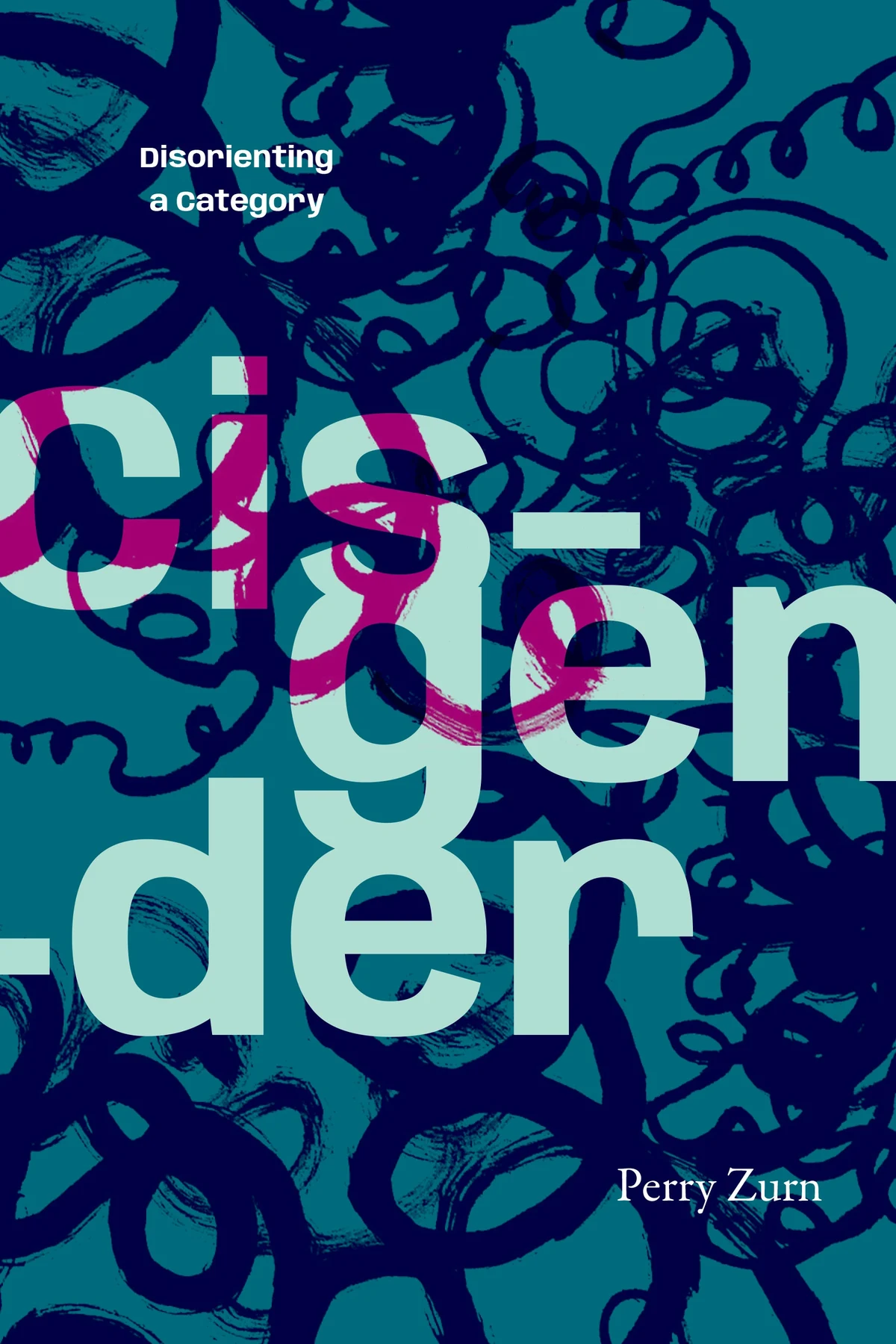
In July 2026, Duke University Press published Cisgender: Disorienting a Category by philosopher Perry Zurn. The volume appeared in the prestigious academic series ASTERISK: Gender, Trans-, and All That Comes After, edited by Susan Stryker, Eliza Steinbock, Jian Neo Chen, and Marquis Bey. It is the first comprehensive genealogical investigation in contemporary scholarship to reconstruct the inception, dissemination, and conceptual shifts of the term “cisgender” — a category long treated as an unexamined default against which trans identities are demarcated.
Perry Zurn is Provost Associate Professor of Philosophy at American University in Washington, D.C., as well as an author, trans theorist, and activist specializing in political philosophy, epistemology, and transgender studies. His prior works include How We Make Each Other: Trans Life at the Edge of the University, exploring collective trans solidarity in academia, and philosophical studies on curiosity in Curiosity and Power and Curious Minds. In this new monograph, Zurn blends Foucauldian genealogy, archival research, and personal reflections to dismantle the rigid dichotomy between cis and trans lives.
The book begins by questioning the standard definition of a cisgender person: someone whose sex assigned at birth matches their gender identity, presumably lived out with ease and little fuss. Zurn argues that this imagined seamlessness obscures the complex negotiations, refusals, and bodily conflicts that all individuals navigate when confronting gender norms. Drawing on unexamined community archives, 1990s Usenet forums, grassroots zines, and interviews with key pioneers, the author recovers an unexpected counterhistory of cis: from Radical Faeries and queer punk subcultures to the sexological writings of Volkmar Sigusch and foundational community treatises by Emi Koyama and Julia Serano.
The narrative tracks the term’s migration from marginal activist spaces into mainstream dictionaries, legal debates, and scholarly lexicons. Zurn investigates the rise of the “cis privilege” framework alongside the conceptual costs of its widespread institutionalization. The book examines how cisnormativity has historically operated in tandem with colonial conquest and the forced imposition of European binary gender systems, how the presumption of cisness has been racialized through whiteness and bourgeois domesticity, and how disability studies and crip theory dismantle the illusion of bodily conformity.
By charting both where the concept of cis succeeds in denaturalizing gender hierarchies and where it stumbles into new reductive binaries, Perry Zurn makes a compelling case for keeping the category open, pliable, and disoriented. The monograph makes a vital contribution to trans studies, queer philosophy, and conceptual history, demonstrating how interrogating the norm deepens collective liberation.